Service & Housekeeping at Great Wolf Lodge: How Small Details Shape the Entire Stay
Charlotte vs LaGrange — a Family Critic comparison
When families talk about resort experiences, they usually focus on the big things — the water park, the food, the activities, and the excitement.
But after enough travel, you begin to notice that the overall feeling of a stay often comes down to quieter details: how a room is prepared, how quickly issues are addressed, and whether the team around you feels alert and present.
During visits to both Great Wolf Lodge Charlotte and Great Wolf Lodge LaGrange, those small operational differences became some of the most noticeable contrasts of the entire trip.
This isn’t about perfection. It’s about how service standards shape the emotional tone of a stay — especially for families who are already managing a lot of moving parts.

The small details are rarely small when you are traveling with family.
Clean rooms, responsive staff, and a well-managed environment can change how quickly families relax into the trip.
First Impressions Begin Long Before the Water Park
As someone who works in property management and has overseen in-house housekeeping teams for many years, I tend to notice how spaces are maintained almost automatically. It isn’t about looking for flaws — it’s about observing how systems work behind the scenes.
At the Charlotte property, the overall impression was one of attentiveness. Team members across departments — front desk, maintenance, housekeeping, and food service — appeared alert, friendly, and tidy in presentation. That consistency communicates respect for guests before a single word is spoken.
The environment felt cared for, and that changes how relaxed families feel walking into their room.
When Service Feels Seamless
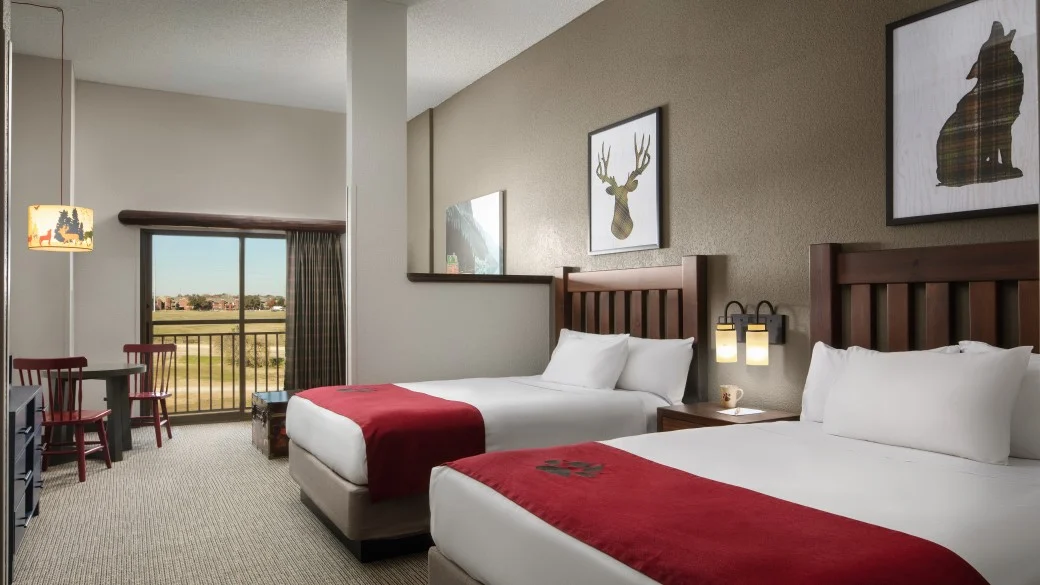
At the Charlotte property, the room experience was straightforward in the best way.
Like many families, we travel with disinfecting wipes and fabric sanitizer simply out of habit. But even without those routines, the room felt clean and ready. Nothing pulled attention away from settling in and enjoying the trip.
That kind of invisible success is often what great housekeeping looks like — you don’t think about it because everything simply works.
When Small Gaps Start to Add Up
Our experience at the LaGrange property felt noticeably different.
The room initially lacked some basic supplies, and there were signs that cleaning details had been missed. Over the course of several hours, we contacted the front desk multiple times before housekeeping arrived to fully address the concerns.
To their credit, once the issue was recognized, the team acknowledged the situation and offered a small adjustment to the room rate without being asked — a gesture that showed professionalism and an effort to make things right.
But the contrast highlighted something important: for families, delays in housekeeping response don’t just affect cleanliness. They affect momentum.
When you’re juggling swimsuits, meals, tired kids, and schedules, small operational gaps feel larger than they might otherwise.
When the Weekend Rush Ends
One detail worth noting: we noticed that cleanliness in the common spaces at the LaGrange property improved significantly once the weekend crowds departed. By Monday morning, the overall environment felt more refreshed and noticeably better maintained.
From an operational standpoint — something I discuss often on EfficiencyPlan.com — this suggests an opportunity more than a flaw. Weekend checkouts are predictable pressure points for resorts, and planning for additional pre-cleaning or supplemental cleaning cycles during those peak transitions could make a meaningful difference for families who are only able to travel on weekends.
It was encouraging to see the team catch up and regain control of the space once traffic slowed, and it appeared that higher-level managers may have been present during that time. Strengthening weekend management protocols and team systems could help bring that same level of consistency to the busiest days, when first impressions matter most.
I don’t know what the current inspection process looks like after rooms are cleaned, but a clear post-clean inspection system would communicate additional care and respect for the guests who will ultimately use those spaces.
The Human Side of Hospitality
Staffing always changes, and individual experiences can vary from trip to trip. One visit doesn’t define a property forever.
What stood out most, however, was the overall energy difference between the two locations.
At the Charlotte property, team members consistently appeared engaged — making eye contact, moving with purpose, and showing awareness of guests around them.
At the LaGrange property, there were moments where that same level of attentiveness felt less consistent, particularly in some guest-facing roles.
These aren’t dramatic failures. They’re subtle differences — but subtle differences are often what guests remember most.
Guests may not analyze operational flow, but they feel it.
When service systems are strong, a stay feels easier. When they struggle, families start compensating for details that should already be handled.
Why This Matters More Than Guests Realize
Families don’t usually analyze housekeeping or operational flow while they’re traveling. They just know whether a stay feels easy or slightly heavy.
When service systems are strong:
- rooms feel ready
- small needs are handled quickly
- guests relax faster.
When those systems struggle, families start compensating — adjusting schedules, making extra calls, or mentally tracking things they shouldn’t need to think about.
That shift changes the emotional rhythm of a vacation.
A Note on Management and Consistency
One thing travel reminds you is that even within the same brand, locations can feel very different depending on leadership and team expectations.
The Charlotte property demonstrated how consistent attention to service creates a calm, well-run environment that supports the rest of the resort experience.
The LaGrange property showed flashes of the same potential, but with moments where execution felt less consistent.
And that’s encouraging, because consistency is something that can improve — often quickly — when leadership focuses on it.
We’re looking forward to visiting again and sharing how the next stay compares.
The Bigger Takeaway
The water slides, attractions, and activities may bring families to Great Wolf Lodge, but it’s the quieter details — the readiness of a room, the attentiveness of staff, the feeling that things are under control — that shape how the stay is remembered.
Between these two locations, the difference wasn’t about amenities or size. It was about operational rhythm.
And when that rhythm is right, families feel it immediately.
Join the Conversation
Have you noticed differences in service or housekeeping between resort locations?
I’d love to hear what stood out most in your experience.
— Ashley
FamilyCritic.com