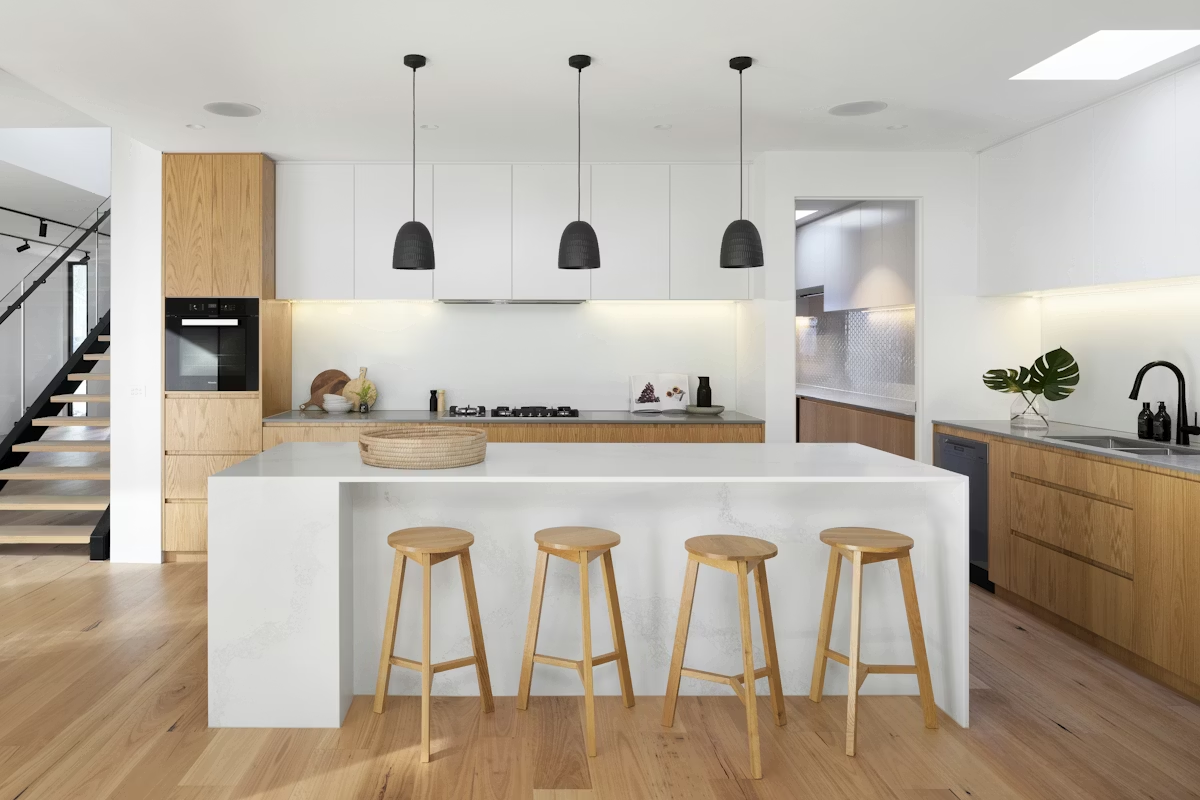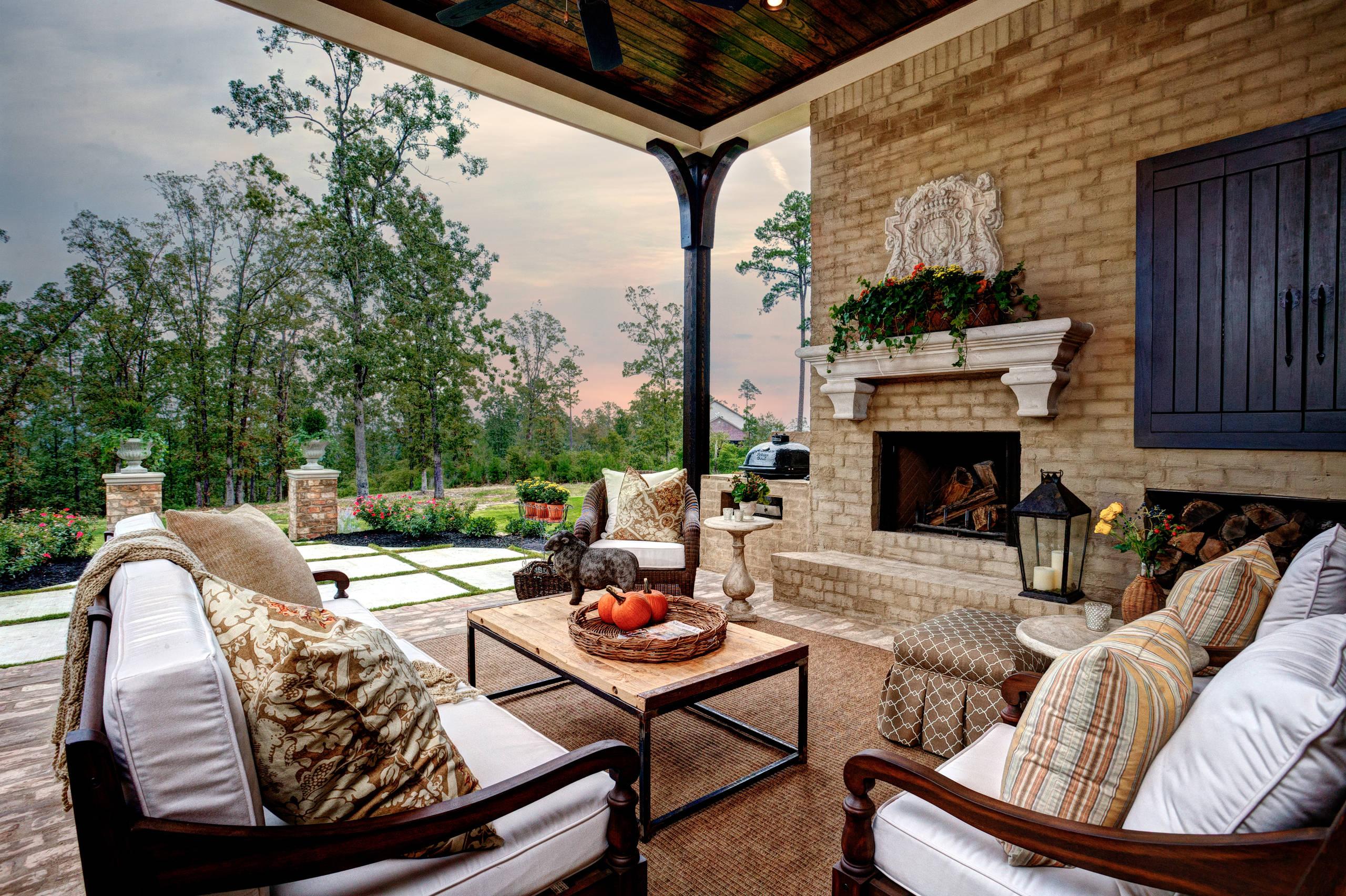
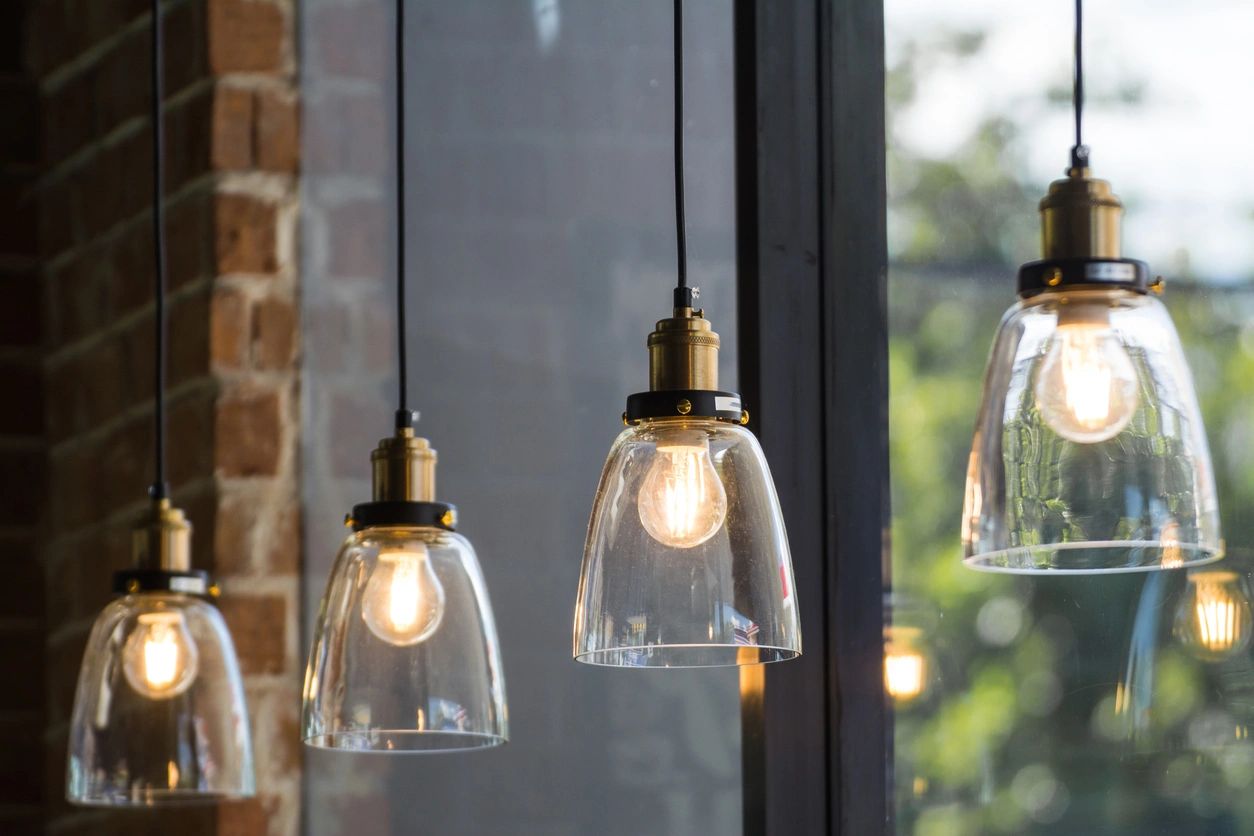
Some spaces feel calm and refined the moment you walk in.
After years around real estate and property management, I’ve learned to pay attention to the details people feel before they can name them.
If you’re building, remodeling, or simply collecting ideas for “someday,” lighting is one of the decisions worth thinking through early—because once it’s in the ceiling, it’s hard to undo.

I’ve spent most of my life around real estate.
Long before my mom started Carolina Properties in 1999, I was the kid growing up under her desk in different real estate offices—listening to conversations, tagging along to properties, and watching how people reacted when they walked into a space. Later, through my own work in real estate and property management, I’ve seen hundreds of homes—vacation rentals, family homes, investment properties, beautifully designed spaces and plenty that missed the mark in small but important ways.
And one thing I’ve learned is this:
You feel lighting immediately.
Most people don’t walk into a house and say, “the lighting is wrong,” but they absolutely feel it. A space can look beautiful on paper and still feel harsh or uncomfortable once you’re actually living in it.
Right now we’re still in the pre-build phase. The land is cleared, our binder is coming together, Pinterest boards are full, and we’re talking with contractors while everything is still flexible. And because I’ve spent so much time walking through homes over the years, lighting is one of the first things I’m thinking through carefully.
Not because it’s trendy—but because it quietly shapes how a home feels every single day.
Before choosing anything technical, I started with a simple question:
How do I want this house to feel at night?
For us, the answer isn’t dramatic or modern or ultra-bright. It’s:
I’ve walked through plenty of homes where the lighting technically worked but felt exhausting. Too bright, too cool, too flat—the kind of lighting that makes you want to turn everything off instead of settling in.
That’s what we’re trying to avoid.
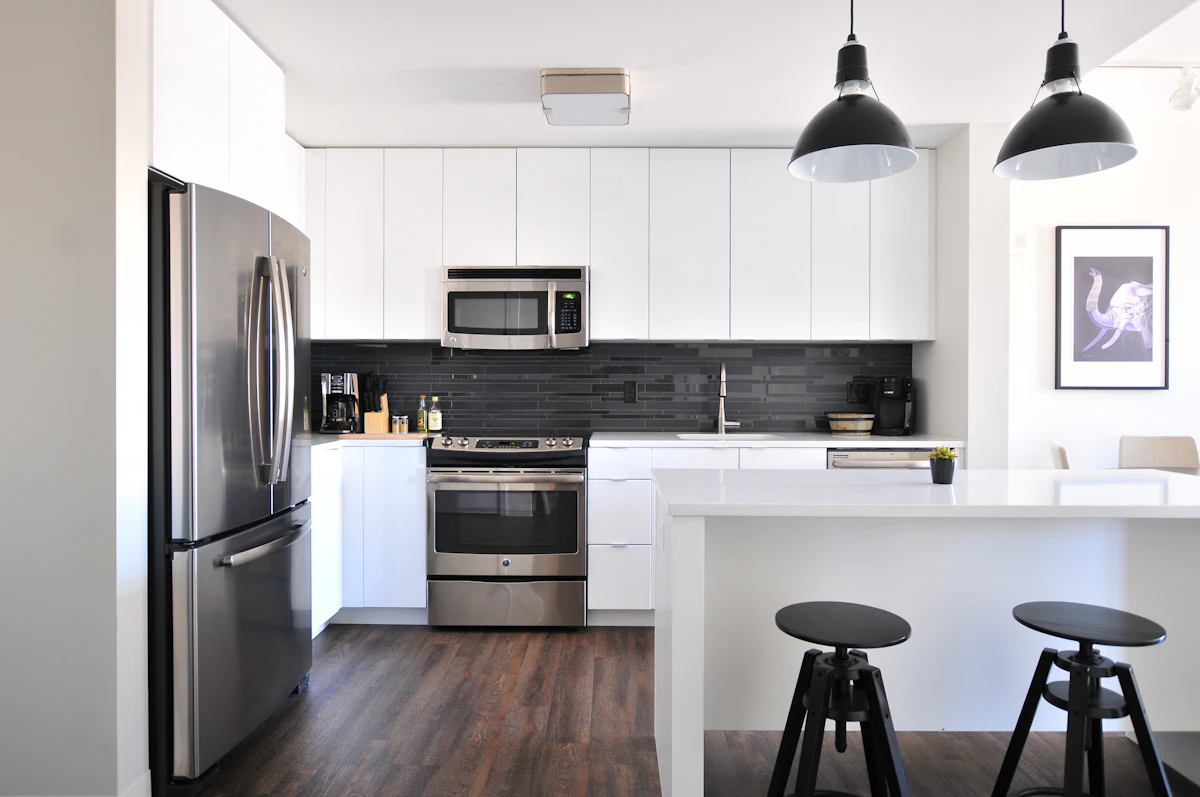
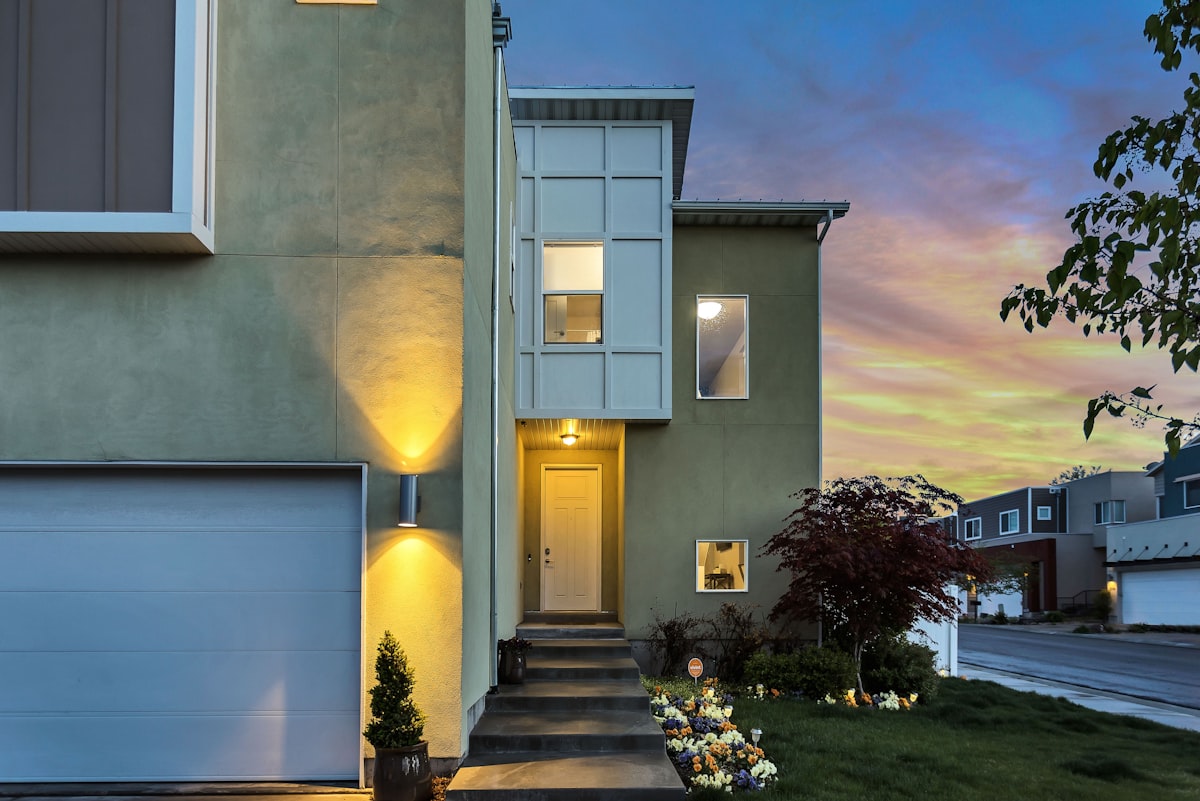
I’m not anti-LED. But I am very aware that not all lighting feels the same.
Through years of walking properties, I’ve noticed that certain LEDs can feel slightly clinical or harsh, even when the design is beautiful. Sometimes there’s a subtle flicker that people don’t consciously notice but still react to.
Our preference leans toward incandescent-style warmth—lighting that feels steady and natural.
If LEDs are used (and they likely will be in many places), we’re focusing on:
Efficiency matters. But comfort matters more when you’re living in a space long-term.
One pattern I’ve seen again and again is builder-style recessed lighting—evenly spaced grids that technically light the room but don’t really think about how people live in it.
It’s one of those things you don’t notice right away, but over time the space feels flat or overly bright.
Instead, we’re thinking about:
I’d rather have thoughtful light than a ceiling full of it.
Here’s the part I don’t think gets said enough: lighting isn’t just about brightness—it’s about placement. Where furniture sits. Where people gather. Where your eyes naturally land when you walk into a room.
Even for everyday life (and yes, for photo-friendly walls), thoughtful placement keeps a home feeling calm and uncluttered instead of visually busy.
Homes feel better when lighting comes from different levels and sources.
Instead of relying on one bright overhead system, we’re thinking about:
Lighting should change with the rhythm of the day—not stay stuck at one brightness level.
If there’s one simple decision that makes almost every space better, it’s dimmers.
We’re planning dimmable lighting in:
Brightness shouldn’t be all or nothing.
Even though we haven’t started construction yet, lighting conversations naturally lead into bigger electrical planning questions.
We’re already asking things like:
Planning ahead isn’t flashy—but it’s usually what separates thoughtful builds from stressful ones.
The biggest lesson I keep coming back to is that luxury isn’t always obvious.
Sometimes it’s simply:
The homes that feel best rarely shout. They just quietly work.
We’re still in the planning stage—learning, thinking, asking questions, and building our framework before anything is finalized.
And honestly, this phase might be the most important one. Because once construction starts, many of these decisions are already locked in.
If you’re in the early planning stage too, maybe this gives you a few things to think about before the walls go up.
After years of walking through homes, I’ve learned that the details people feel most are often the ones they don’t immediately see.
If you’ve built or remodeled, what lighting decision has made the biggest difference in a home you’ve lived in?