Comfort & Lifestyle Design

Multi-generational living is becoming increasingly common, yet many homes designed for it still miss the mark — not because of size, but because of design thinking.
Too often, layouts fall into predictable categories: a main house with an add-on suite, duplicated spaces that feel disconnected, or floor plans that prioritize separation over flow.
The real design challenge isn’t fitting more people into a house. It’s designing connection without sacrificing independence.
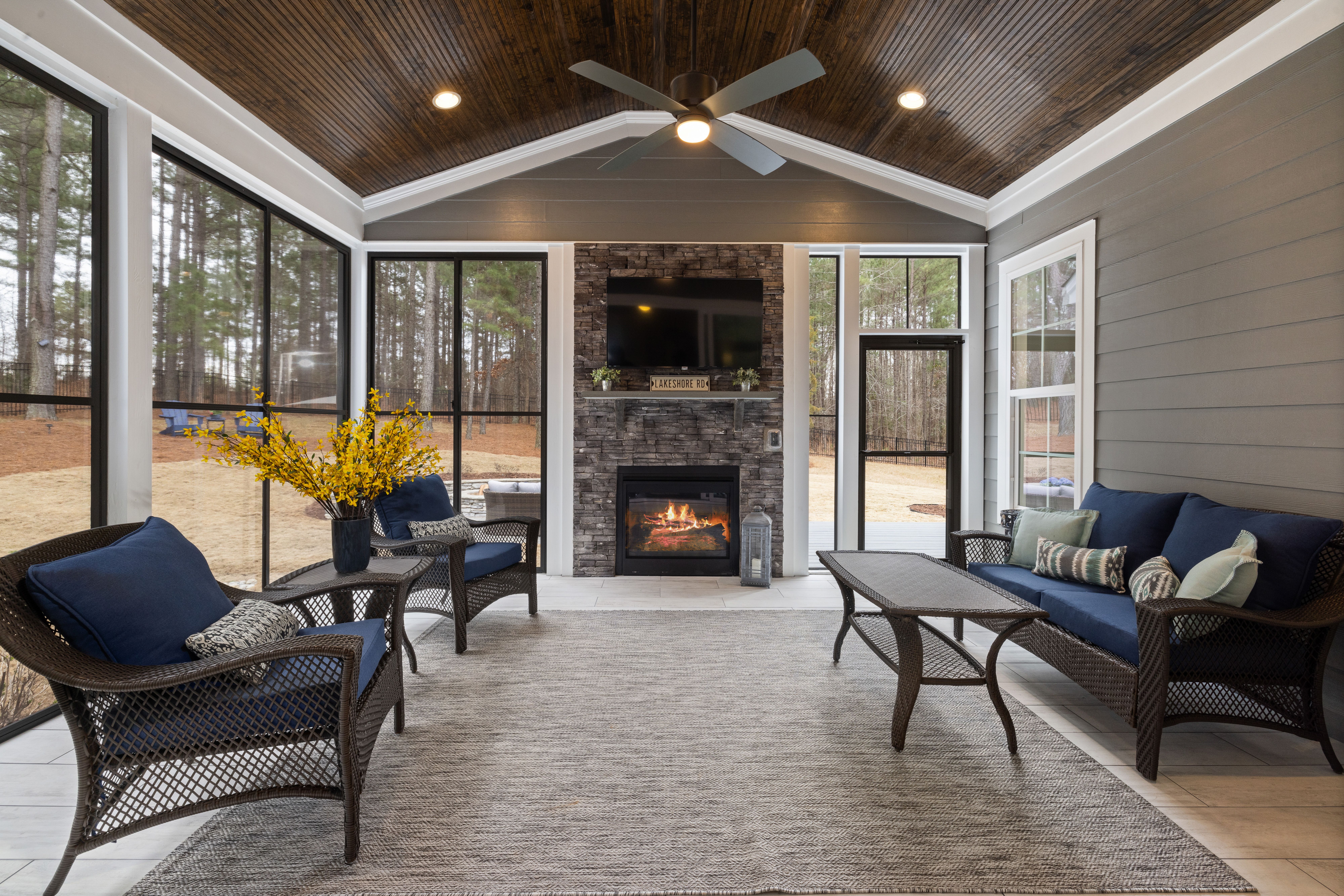
The goal is not just privacy. It is connection without compromise.
The most successful multi-generational homes do not simply divide people into zones. They create a rhythm between shared life and independent living.
When designers talk about multi-generational homes, the conversation usually focuses on privacy — separate entrances, separate kitchens, separate zones. But connection matters just as much.
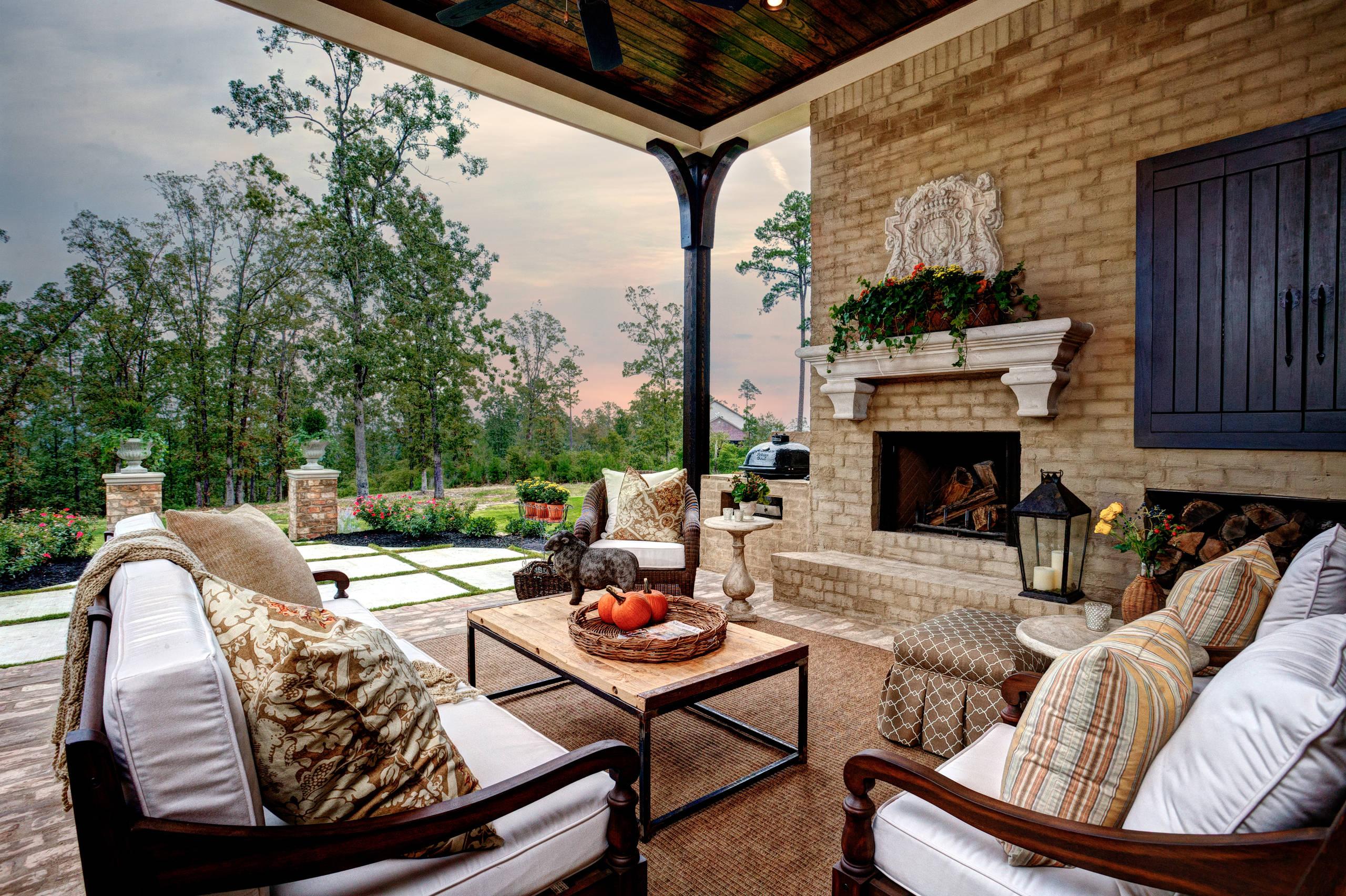
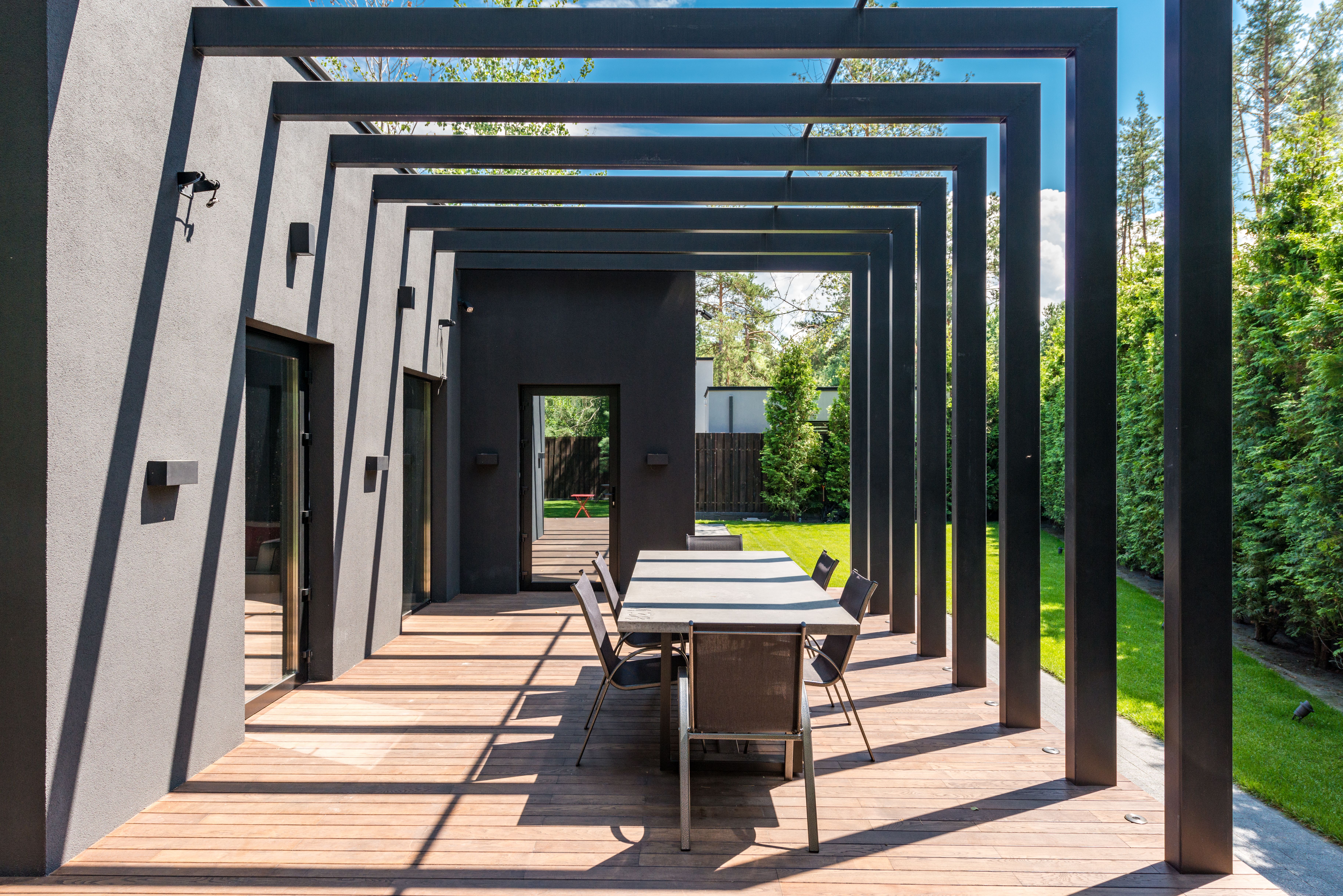
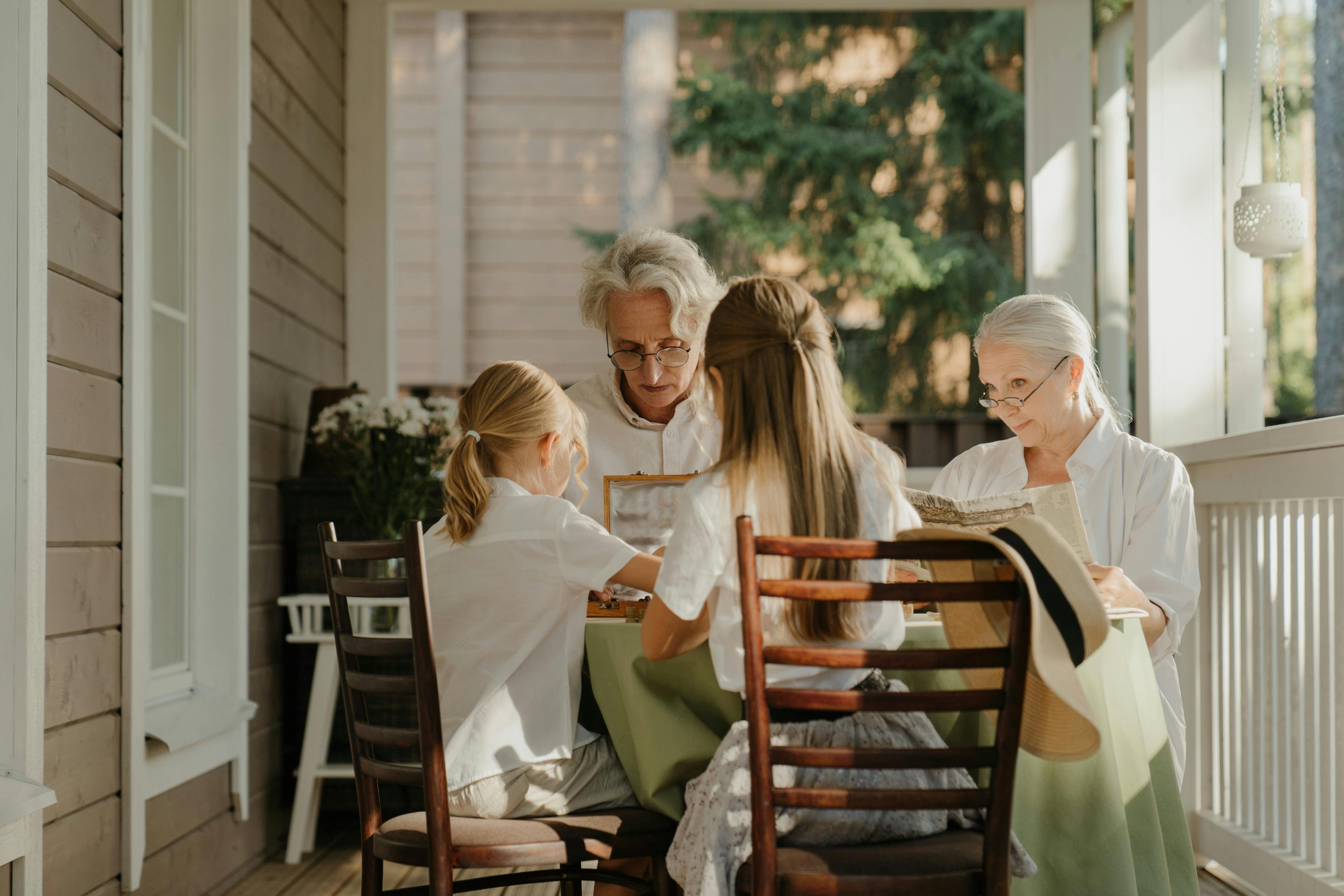
And connection doesn’t always have to happen indoors. Some of the most successful layouts use transitional spaces to link living areas:
These elements allow households to interact organically while maintaining autonomy inside their own living quarters. Design-wise, outdoor connectors often work better than forcing interior spaces to carry the entire burden of connection.
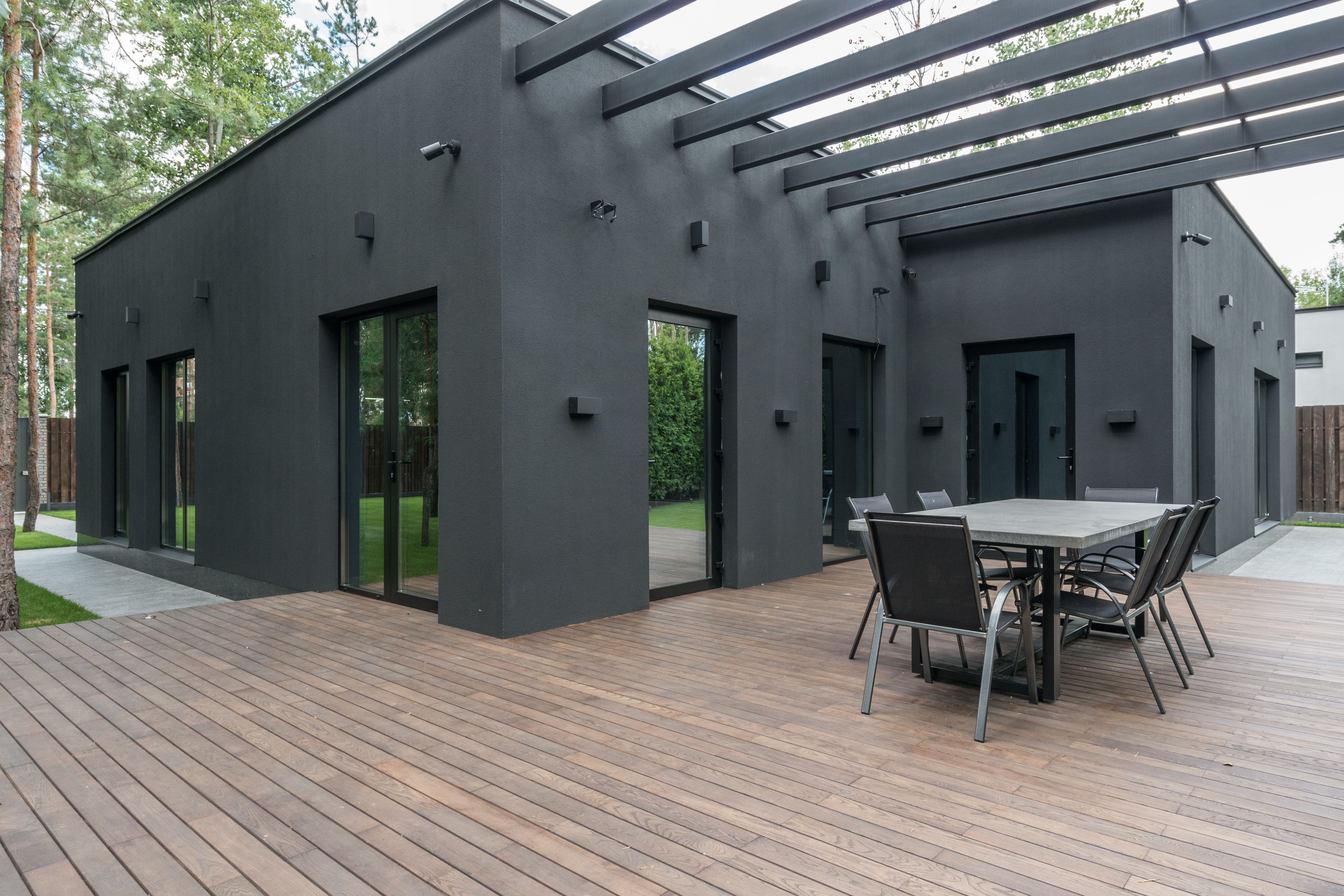
After reviewing countless floor plans, one pattern becomes obvious: most layouts still assume hierarchy. There’s a primary living zone — and then everything else.
Secondary bedrooms, children’s spaces, and supporting areas often receive less thoughtful placement, smaller proportions, or reduced access to natural light and views. And that’s where many designs quietly fail.
Designers often prioritize views and access for primary suites while unintentionally reducing those opportunities elsewhere — even though secondary bedrooms are lived in just as fully.
From a design perspective, equal dignity in placement matters. When every bedroom has access to light, views, and intentional positioning, the entire home feels more balanced — and more luxurious.
One of the most overlooked design decisions in large homes is hallway planning. Long corridors consume square footage while reducing connection between spaces.
A more thoughtful approach prioritizes:
When layout decisions reduce unnecessary transitions, homes feel calmer, more efficient, and more intuitive to live in.
Shared infrastructure spaces are becoming more common in connected homes, but they require careful thought. A community room — typically housing laundry, storage, overflow refrigeration, or light exercise equipment — can become a functional bridge between living zones.
However, this approach isn’t universal. For some families, it works beautifully. For others, separate utility spaces make more sense.
The key design takeaway: shared spaces should exist because they support lifestyle — not because they look good on a floor plan.
One subtle but powerful design decision is eliminating the feeling that one part of the home is “primary” and another is “secondary.”
This often shows up in small ways:
When every space feels intentionally designed, the home reads as cohesive rather than divided. That quiet consistency is what creates true luxury.
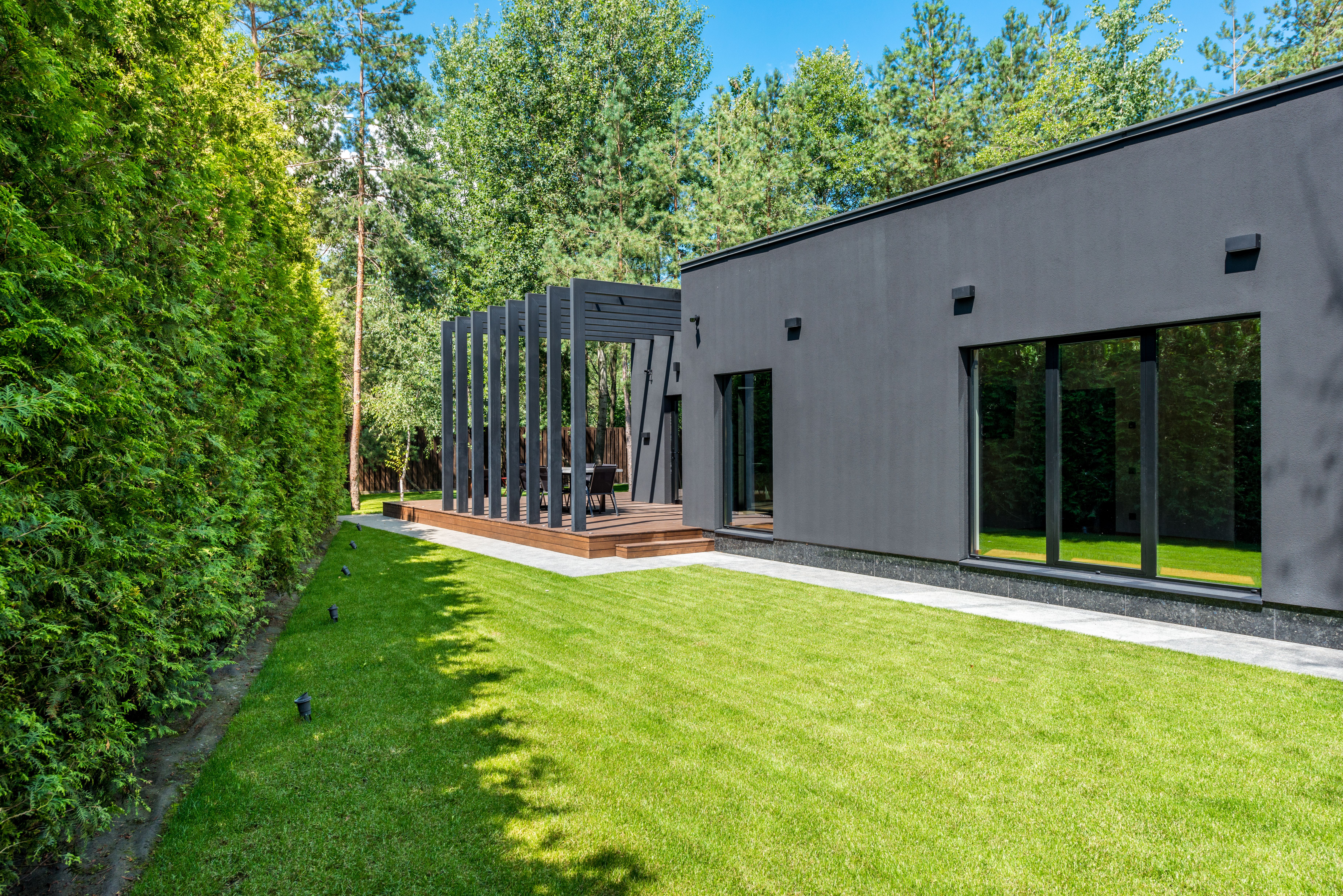
The most successful connected homes don’t feel like two houses pushed together. They feel like one architectural idea expressed through multiple living zones.
That distinction changes everything:
In many ways, this approach resembles small resort layouts or estate-style ranch homes — where independent areas exist within a unified design language.
From a planning perspective, the biggest missed opportunities usually include:
When these issues are addressed early, the result is a home that feels quietly luxurious — not because it’s larger, but because it works.
As more families explore multi-generational layouts, design will increasingly shift toward homes that support independence while preserving everyday connection.
The best examples won’t look like multi-family housing at all. They’ll simply feel like well-designed homes where life happens naturally.
Good design doesn’t force people together — it creates spaces where connection happens effortlessly.

What design choice makes a home feel naturally connected — without feeling crowded?