
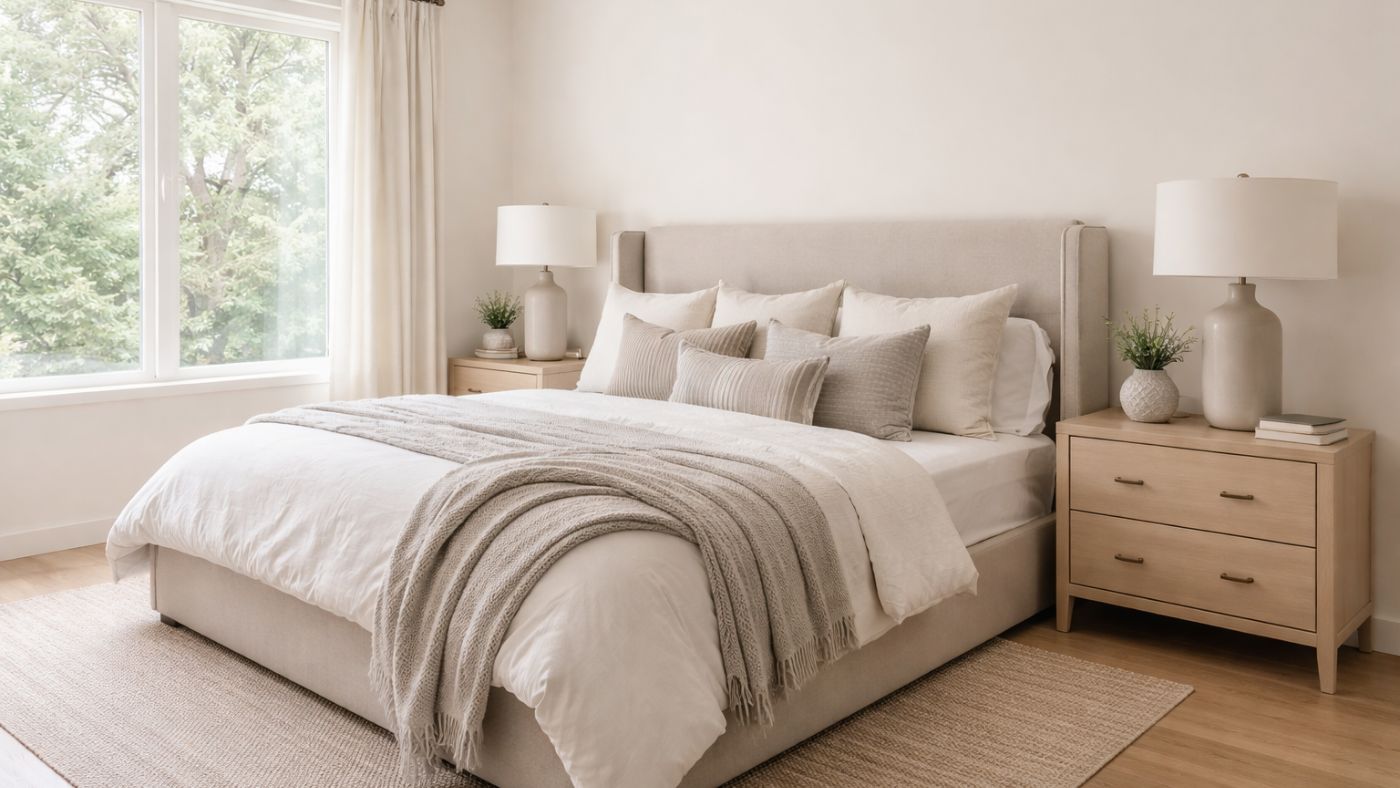
Some homes feel calm and effortless to live in, and the reason is not always what you see first.
After years around real estate and property management, I’ve learned that many of the smartest design decisions are not decorative at all. They are practical choices made early, before furniture arrives and before walls are closed.
If you are building, remodeling, or carefully thinking through a future home, outlet placement is one of those subtle details that can quietly shape how beautiful and functional a space feels every day.
It is part of the same broader planning process we explore in The Layout Decisions That Quietly Define a Well-Designed Home : thinking about how a room will actually be lived in before permanently placing the systems that support it.

Right now we’re still in the planning stage, which means we have the rare opportunity to think not only about where outlets can go, but where they should go for real life.
Because once drywall goes up, those small decisions become much harder and more expensive to change.
That is exactly why we are also thinking carefully about the electrical decisions you only get one chance to make before drywall . Outlets are one piece of a much larger electrical plan that includes lighting, future technology, backup power, and the systems hidden inside the walls.
Good outlet placement is not only about meeting minimum requirements. It is about creating comfort, flow, and visual calm while keeping safety and electrical code first.
A room can be beautifully decorated and still feel inconvenient if the practical details underneath it were never planned with intention.
In many homes, outlet placement follows a standard pattern. It satisfies the required electrical plan, and technically everything works.
But once furniture, lamps, chargers, and everyday routines enter the room, people begin noticing small frustrations:
Nothing may seem seriously wrong, but the room does not feel as intentional as it could.
There is also a safety reason to avoid designing a home around permanent extension-cord use. The Electrical Safety Foundation International explains that extension cords are intended as temporary solutions and should not replace permanent household wiring.
That makes planning enough appropriately located outlets from the beginning more than an aesthetic decision.
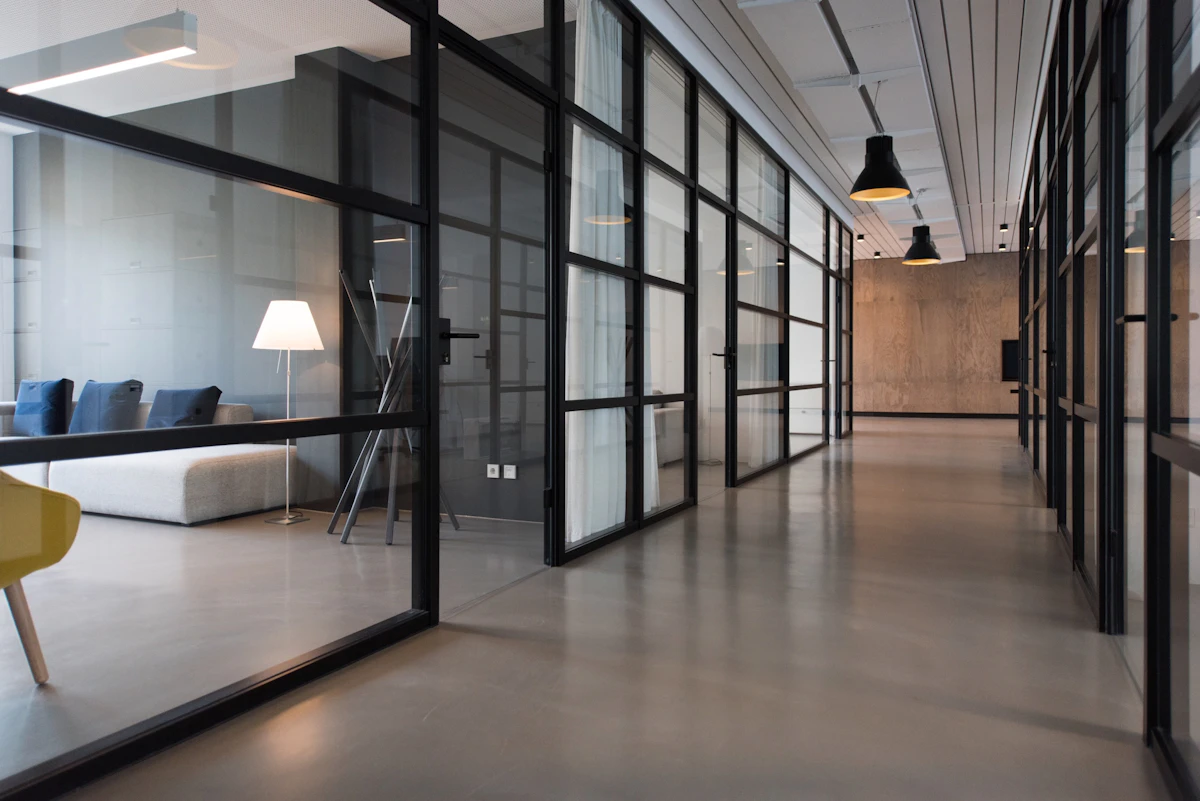

One thing we are thinking about early is how each room will actually be used.
That means asking questions like:
Instead of treating outlets as random wall details, we’re trying to treat them as part of how a room functions.
The same principle applies to lighting. In How We’re Thinking Through Lighting Decisions Before Building Our Home , we look at how furniture placement, daily routines, lamps, dimmers, and overhead lighting should work together rather than being planned independently.
Because I’ve spent so much time looking at homes, photographing spaces, and noticing what makes a room feel refined, I’ve become very aware of visual interruptions.
An outlet positioned on a focal wall can sometimes become much more noticeable once the room is furnished and photographed.
We’re thinking about:
It is not about removing function. It is about integrating function more thoughtfully.
This becomes especially important when we think about designing photo-friendly walls . A clean background is much easier to achieve when electrical details, switches, furniture, and focal points have been considered together from the start.
Bedrooms reveal very quickly whether outlet placement was done thoughtfully or simply by default.
We are thinking about:
These are small decisions, but they shape how restful and practical a room feels over time.
They also connect directly with another question we have been exploring: How Much Open Space Does a Bedroom Really Need? Furniture, circulation, open floor area, lighting, and power all work together. Planning one without the others can make a room technically complete but harder to live in.
In larger living spaces, furniture often looks and functions better when it is not automatically pushed flat against every wall.
That creates a practical question: where does the power come from?
Depending on the layout and applicable electrical requirements, the answer may involve more strategic wall receptacles or professionally planned floor outlets in appropriate locations.
The final electrical layout should always be coordinated with the builder or a qualified electrician so aesthetic preferences do not interfere with safety, accessibility, or local code requirements.
The design goal remains the same: support the way the room is actually used without making the electrical system visually dominate it.
One of the things I’ve noticed in homes that feel truly easy to live in is that you rarely notice the electrical layout at all.
You are not dealing with cords crossing the room. You are not rearranging furniture simply to reach a plug. You are not constantly adding temporary solutions because the original plan failed to anticipate everyday routines.
The room simply works.
That kind of ease is its own form of luxury — not flashy, but deeply felt. It is the same philosophy behind The Quiet Luxury of Designing a Home Around Real Life : the most successful decisions are often the ones you barely notice because they remove friction from everyday life.
Outlet placement can feel like a minor detail compared with floor plans, finishes, cabinetry, or major appliances.
But it quietly affects:
Right now, while our home is still on paper, this is exactly the moment to think through those details carefully.
Because once the walls close, convenience can quickly be replaced by compromise.
What is one outlet placement decision you wish you had thought about earlier in a home you’ve lived in?