Lighting & Electrical

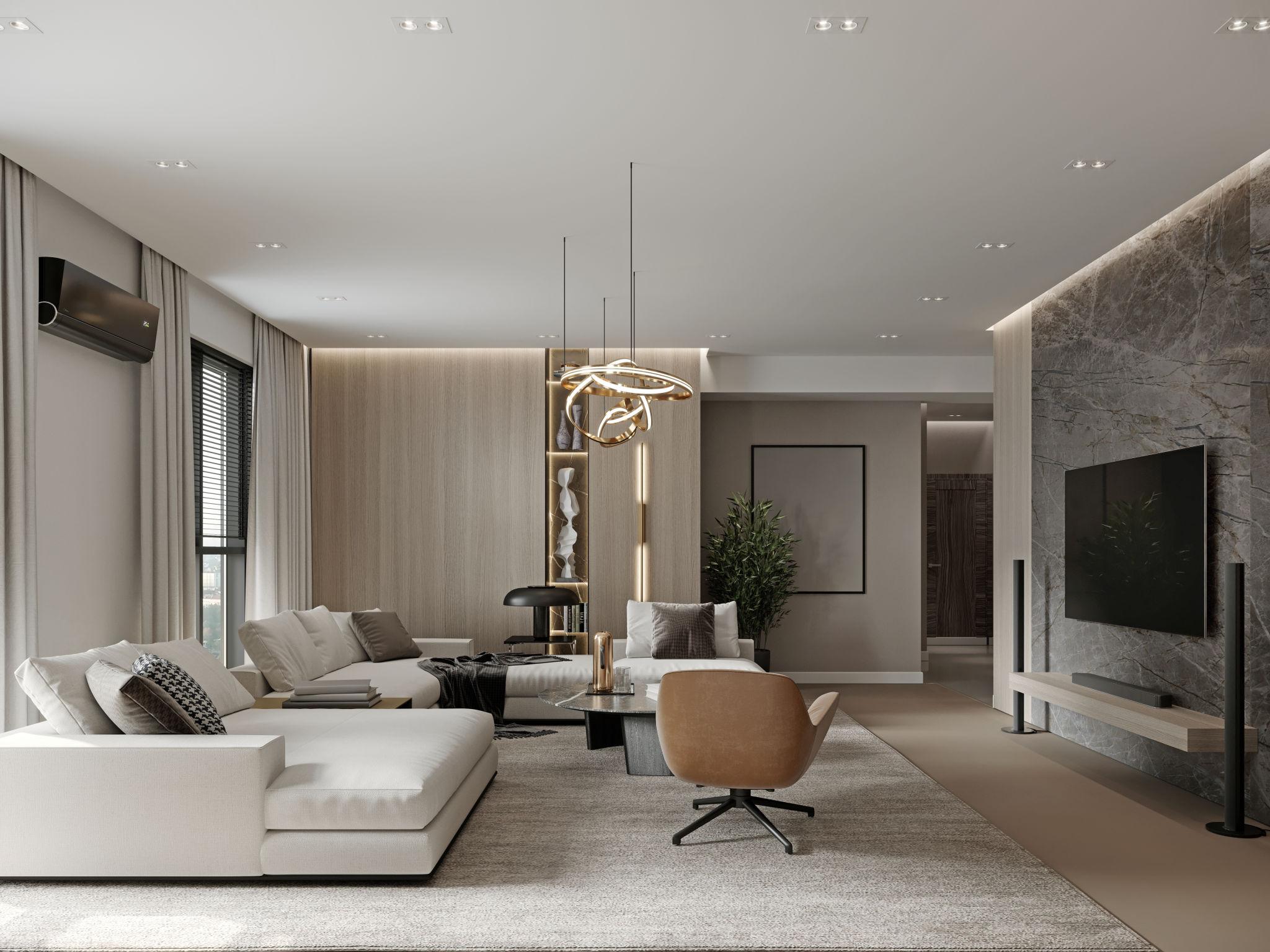
Some homes photograph beautifully — and some don’t — even when they’re equally nice in person.
After years around real estate and property management, I’ve learned to pay attention to the details people feel before they can name them — especially the ones that quietly shape how a space reads.
If you’re building, remodeling, or simply collecting ideas for “someday,” thoughtful wall planning is one of those decisions worth noticing early — because once drywall goes up, the backdrop becomes permanent. Many of these choices overlap with the electrical decisions you only get one chance to make before drywall.
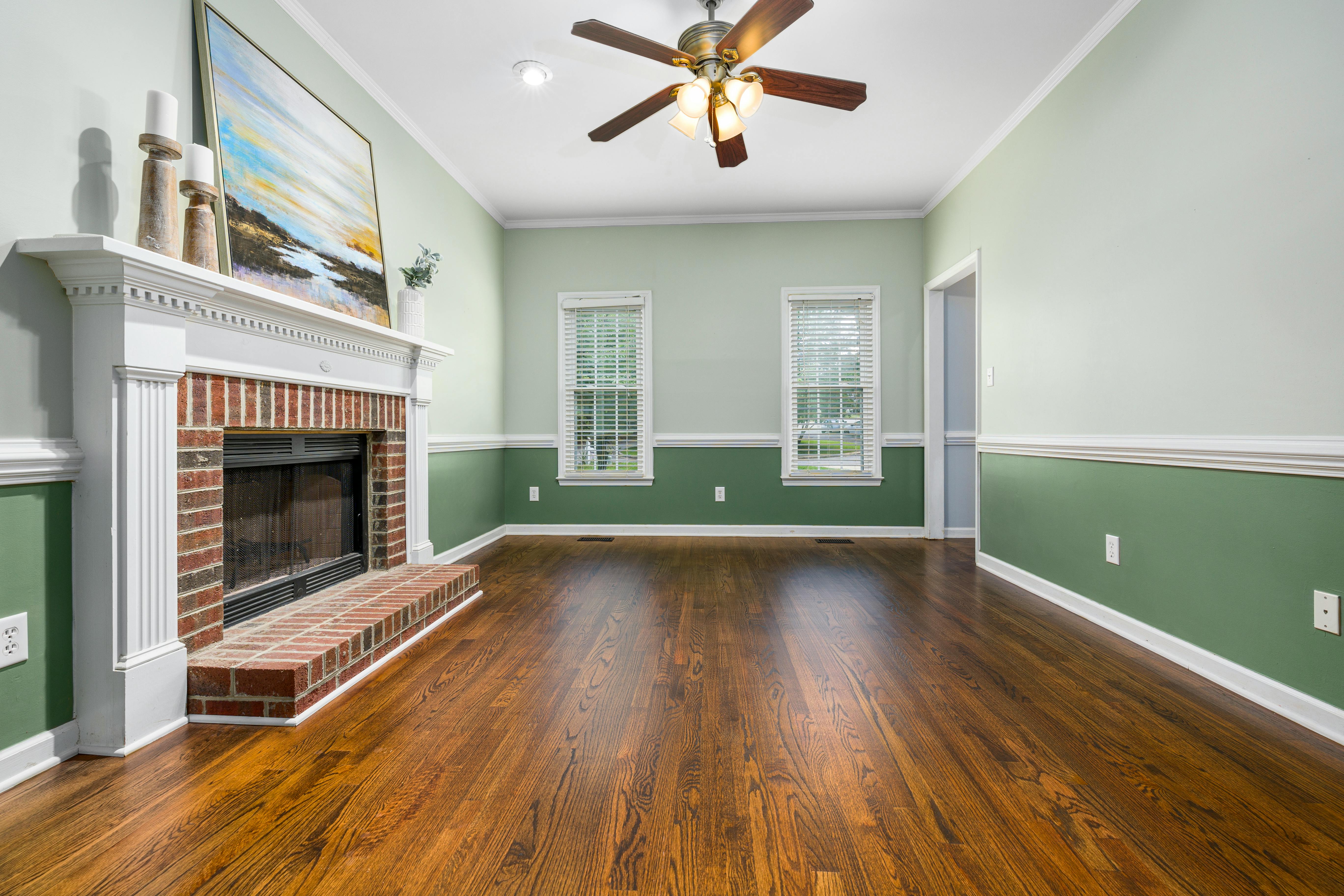
Right now we’re still in the early stages of our build, which means we’re thinking about how the home will live day to day — but also how it will look in photos, because whether we realize it or not, photos are how we remember life inside a home.
And small design choices make a surprisingly big difference.
Photo-friendly walls are not about perfection. They are about creating visual calm for real-life moments.
Thoughtful planning helps rooms feel balanced, refined, and effortless long before any decor is added.
When you walk into certain spaces, your eye immediately relaxes. Nothing competes for attention. The background feels clean, balanced, and intentional.
That calm isn’t always about expensive finishes. More often, it comes from decisions made early:
These are small choices — but they shape how a room reads both in person and on camera. Outlet placement is a perfect example: a practical decision that can quietly change the balance and visual calm of an entire wall.

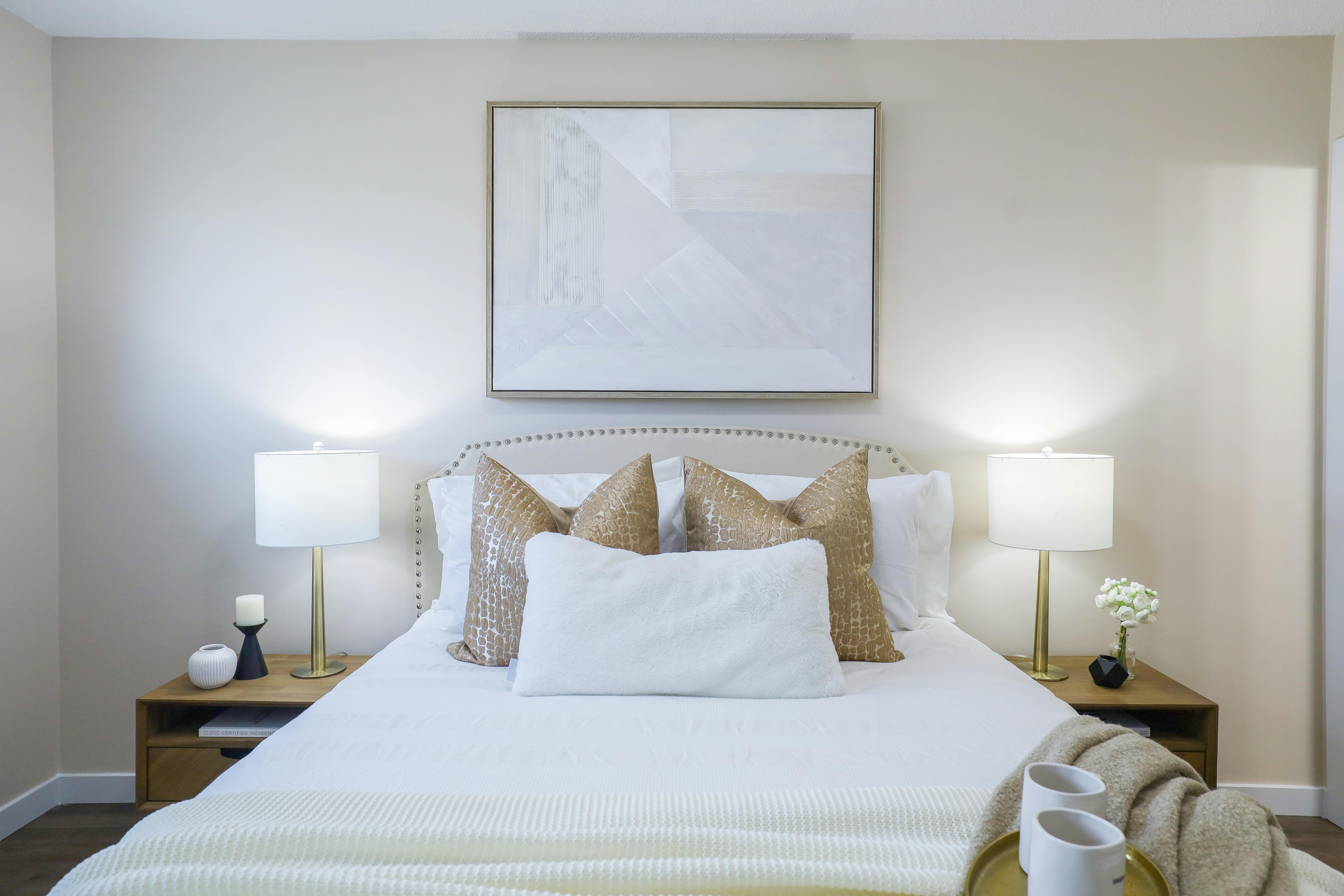
Many homes are designed purely around function. Outlets land in the middle of feature walls. Switches interrupt natural focal points. Random placements break up the visual flow.
Everything technically works — but the wall never quite feels finished.
And when photos are taken, those small interruptions become surprisingly noticeable. This is one reason we’re also rethinking standard recessed lighting layouts before building. Lighting and wall composition work together, and both are much easier to plan before construction is finished.
This isn’t about making a home look staged. It’s about allowing everyday life to feel visually calm.
We’re thinking about:
Because real life happens in front of walls — family photos, holiday moments, everyday memories — and thoughtful planning makes those moments feel effortless. It’s part of the broader idea behind the layout decisions that quietly define a well-designed home: planning the space around how people will actually move, gather, and live in it.
One thing I’ve learned from photographing homes is that visual noise adds up quickly. Too many small interruptions create subtle tension.
Clean walls, on the other hand, make rooms feel:
Even when nothing else changes. This kind of restraint is part of what we mean when we talk about the quiet luxury of designing a home around real life — thoughtful spaces often feel elevated because fewer things are competing for attention.
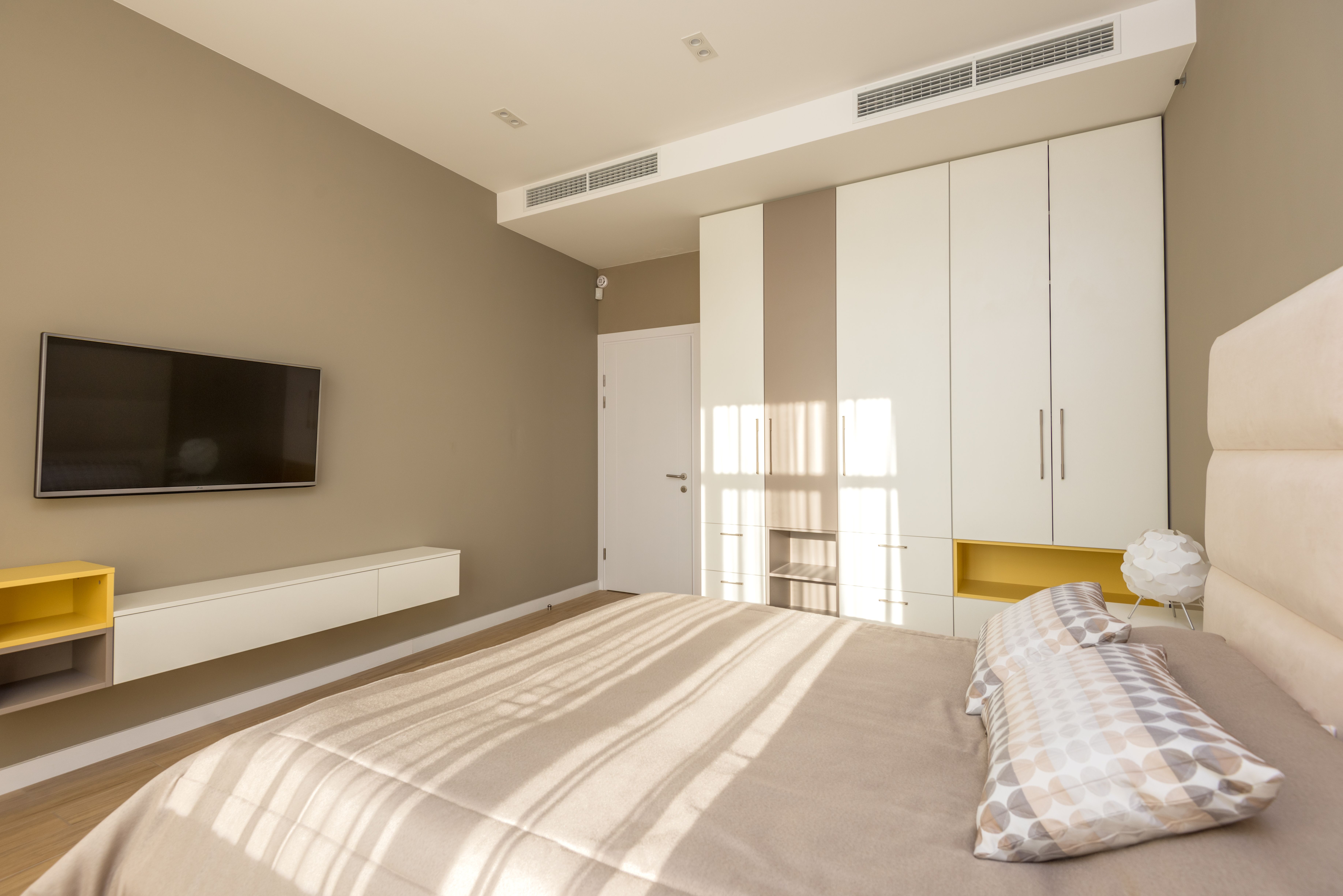
Each bedroom should ideally have at least one wall that feels calm enough to photograph naturally — a background that doesn’t compete with the moment. Room proportions matter too, which is why we’ve also been thinking carefully about how much open space a bedroom really needs.
Living spaces benefit from walls that don’t fight furniture placement, art, or lighting. It’s not about perfection — it’s about giving the eye somewhere to rest.
When that happens, the whole space feels more elevated.
When I talk about photo-friendly spaces, I’m not really talking about social media.
I’m thinking about the photos families naturally take throughout the years — the ones that quietly become part of your story.
Birthday candles at the kitchen table. Anniversary dinners at home. Holiday mornings. Children with pets curled up in a favorite corner.
Those moments happen whether or not anyone plans them. And when a room has calm, thoughtful backgrounds, those memories feel effortless — nothing distracting, nothing competing with the people in the frame.
The goal isn’t perfection. It’s simply creating spaces where life can unfold beautifully without needing to rearrange the room every time someone grabs a camera.
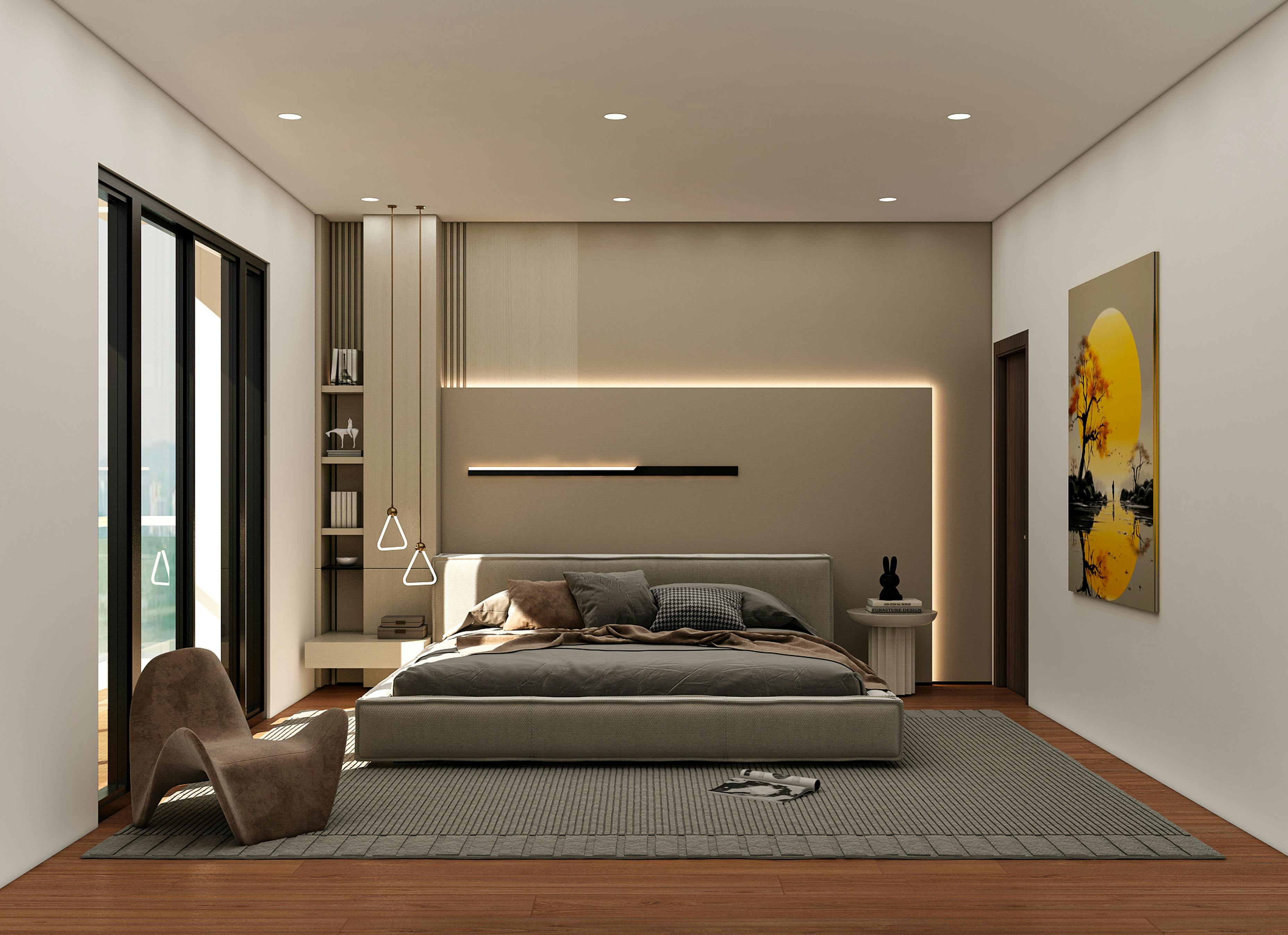
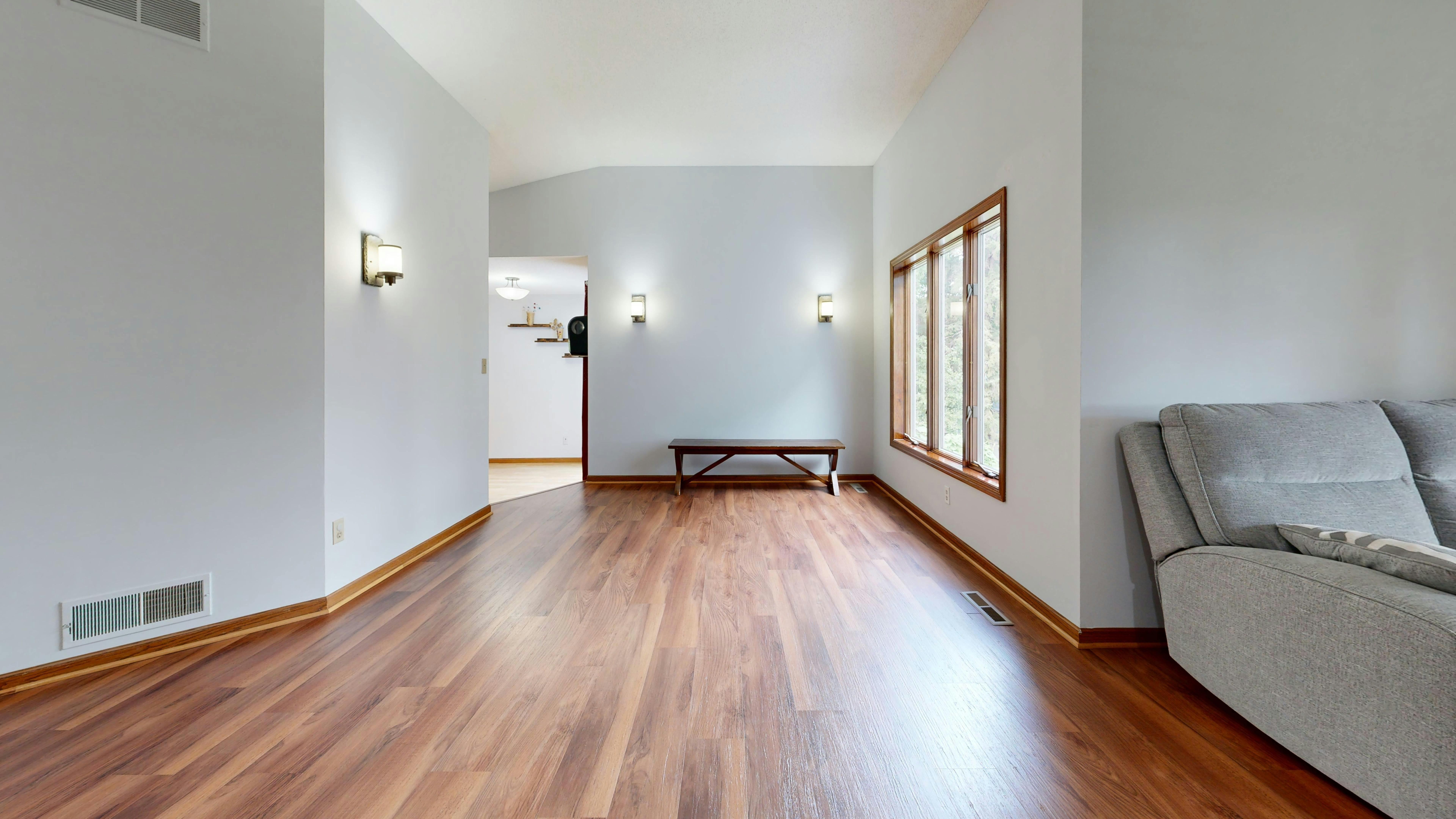
Once drywall goes up, wall layout becomes permanent.
That’s why we’re thinking about these details early — not to over-design, but to avoid small regrets later. Thoughtful placement now means less visual frustration for years to come. The same early-planning mindset guides how we’re thinking through lighting decisions before building our home.
The homes that feel timeless usually aren’t the ones with the most decoration. They’re the ones where the background quietly supports everything happening in front of it.
Walls don’t demand attention. They simply allow life to unfold beautifully.
After years spent around real estate — first growing up in offices where conversations about homes were part of everyday life, and later through my own work in property management and vacation rentals — I’ve learned that the spaces people remember most aren’t always the grandest ones. They’re the homes where thoughtful details quietly support real life, creating calm backdrops for the moments families actually live and remember.
After years of walking through homes, I’ve learned that the details people feel most are often the ones they don’t immediately notice.
What’s one thing you notice immediately when you walk into a beautifully designed room?