The longer you spend inside homes — whether through real estate, travel, or simply observing how people actually live — the more certain patterns start to stand out.
Some homes feel calm and effortless almost immediately. Others look beautiful but never quite settle. And the difference is rarely about finishes alone.
As we continue planning our own build, I find myself noticing the same design decisions over and over — the ones people often overlook early but end up living with every single day.
They are closely connected to the layout decisions that quietly define a well-designed home . Before we choose finishes, we want to understand how movement, light, storage, furniture, and everyday routines will actually work together.
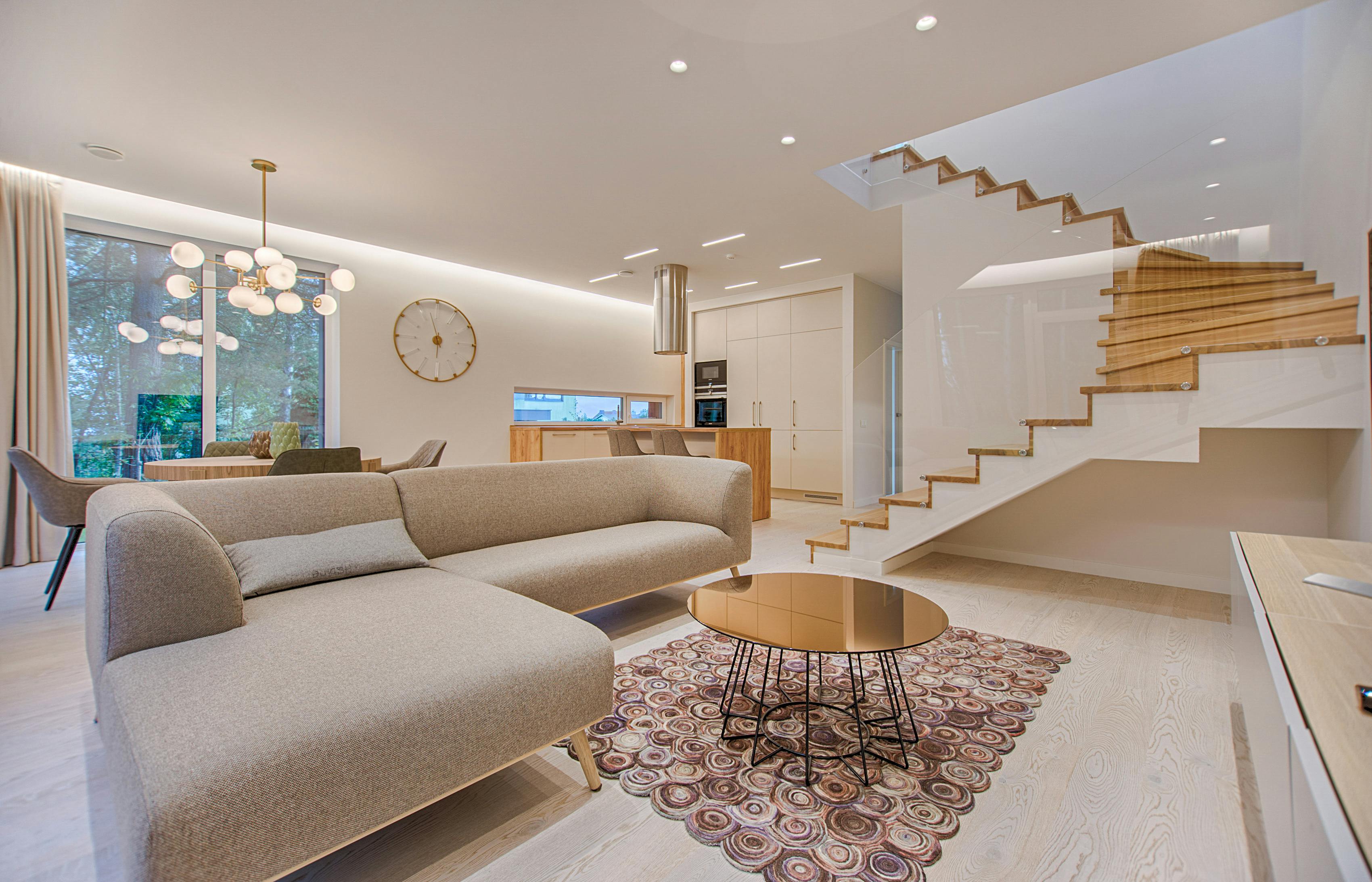
The patterns that matter most are often the ones people notice too late.
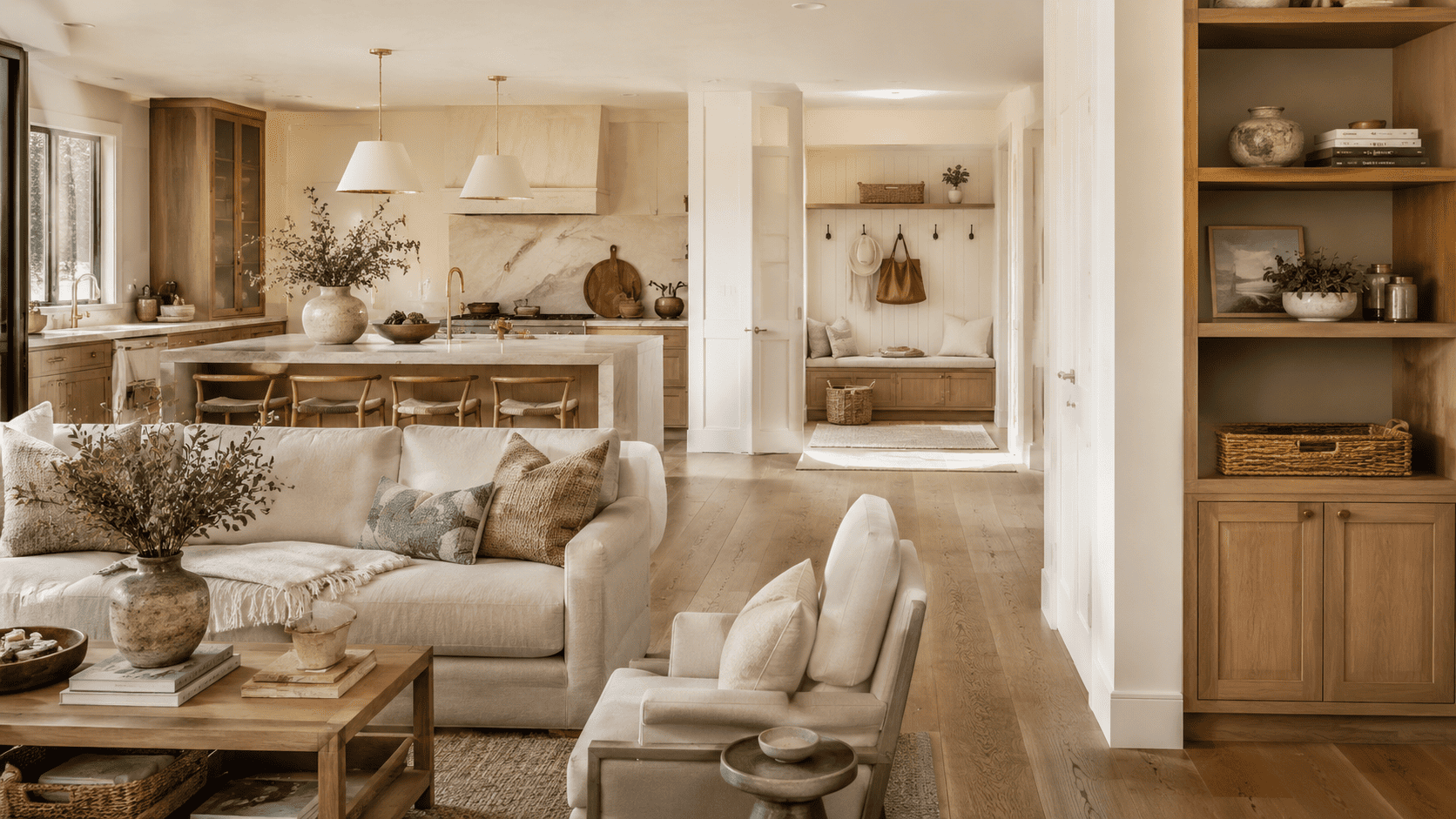
Movement, light, practical function, and the treatment of everyday spaces tend to define whether a home feels calm and lasting — or beautiful but unresolved.
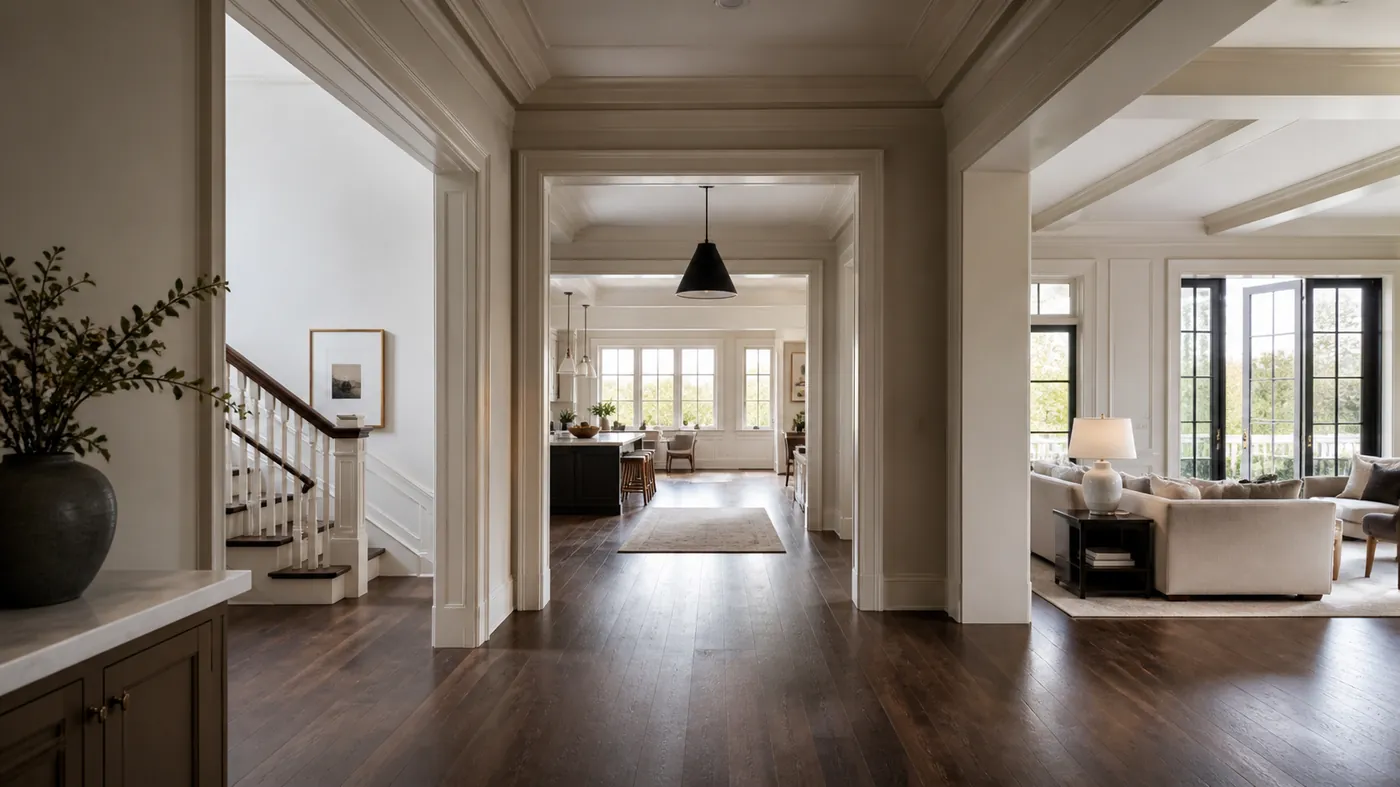
Floor plans are often judged by size, but homes are experienced through movement.
I notice that many layouts prioritize visual impact on paper while giving less attention to what happens once people actually live inside them — where groceries land, how far laundry travels, how people cross paths, and whether indoor and outdoor spaces connect naturally.
Homes that feel refined tend to move quietly. You don’t constantly think about the layout because it simply supports what you are trying to do.
That’s something we’re studying closely as we refine our own plans.
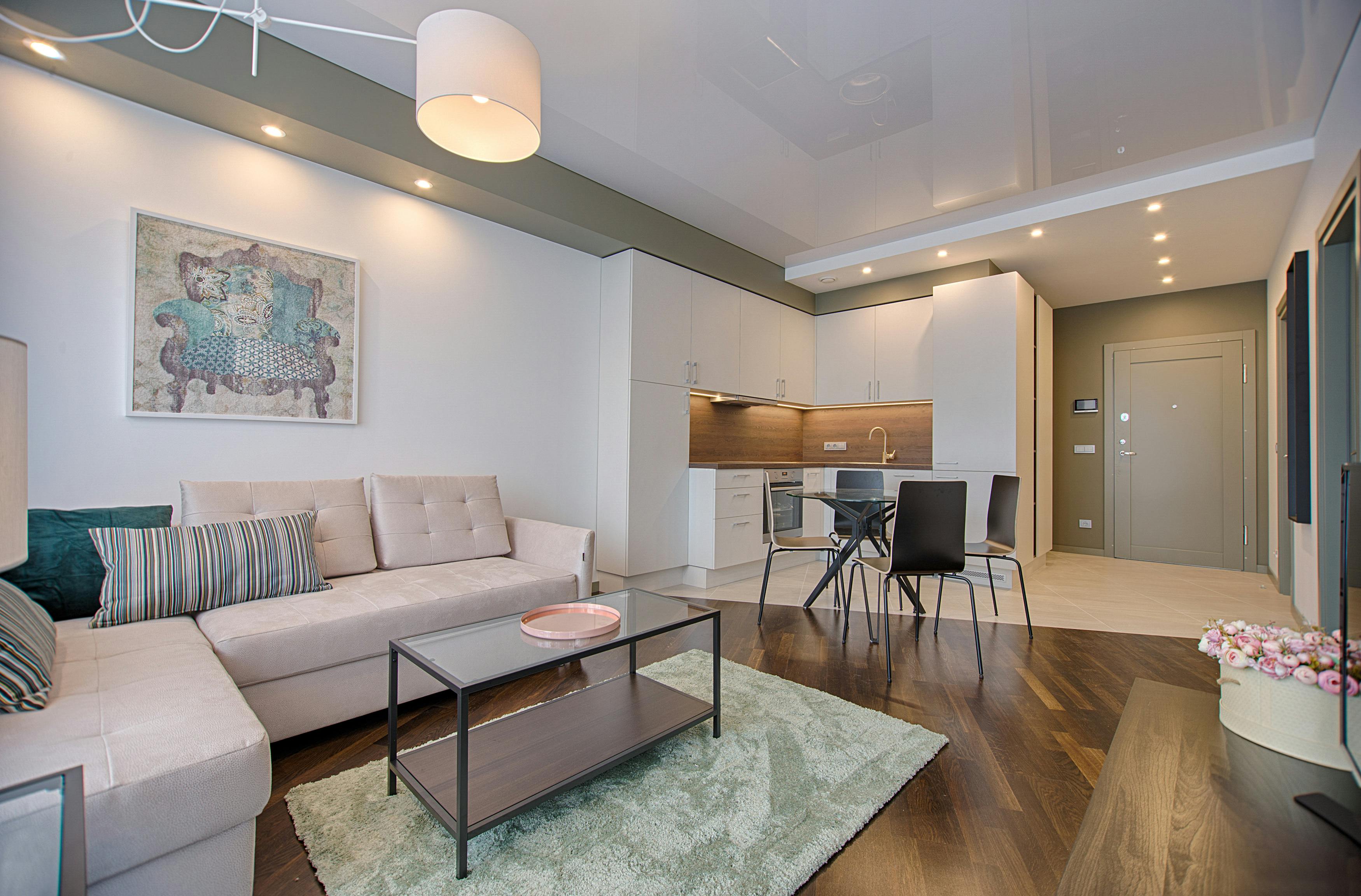
One pattern I see repeatedly is the separation between “beautiful rooms” and everything else required to make a household function.
Storage gets pushed aside. Utility areas shrink. Practical spaces become afterthoughts. Then, over time, everyday life slowly takes over the rooms that were supposed to feel calm.
The homes that stay organized longest are often the ones that planned for function early — not by hiding everyday life, but by giving it somewhere intentional to go.
Even something as specific as designing a pantry that truly serves the home can influence the way an entire kitchen and living area functions. The pantry is not just storage; it can absorb appliances, food, overflow, and everyday visual clutter that would otherwise migrate into the main space.
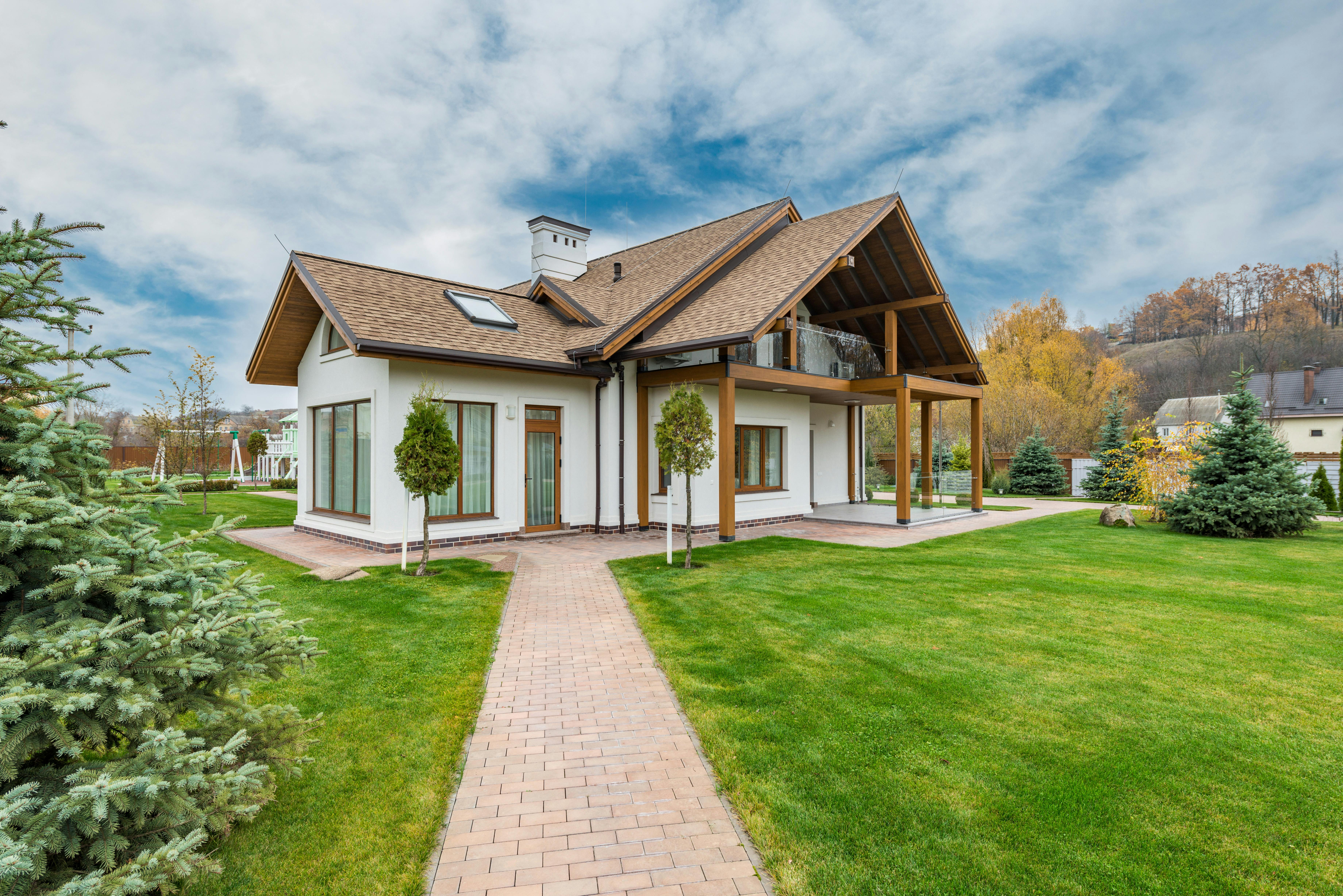
Windows and views often receive the most attention in primary living spaces, but some of the most gracious homes I’ve walked through seem to share natural light more evenly.
Hallways feel brighter. Secondary bedrooms feel considered. Everyday spaces feel connected to the outside instead of forgotten.
When daylight reaches beyond the primary rooms, the entire home can feel more balanced.
The U.S. Department of Energy’s Building Science Education resources on natural light and daylighting also emphasize thoughtful window and skylight placement as a way to bring useful natural light into a home while considering glare, heat, and energy use.
Natural light is only one part of the equation. We are also thinking carefully about our lighting decisions before building so artificial lighting supports the same calm feeling after the sun goes down.
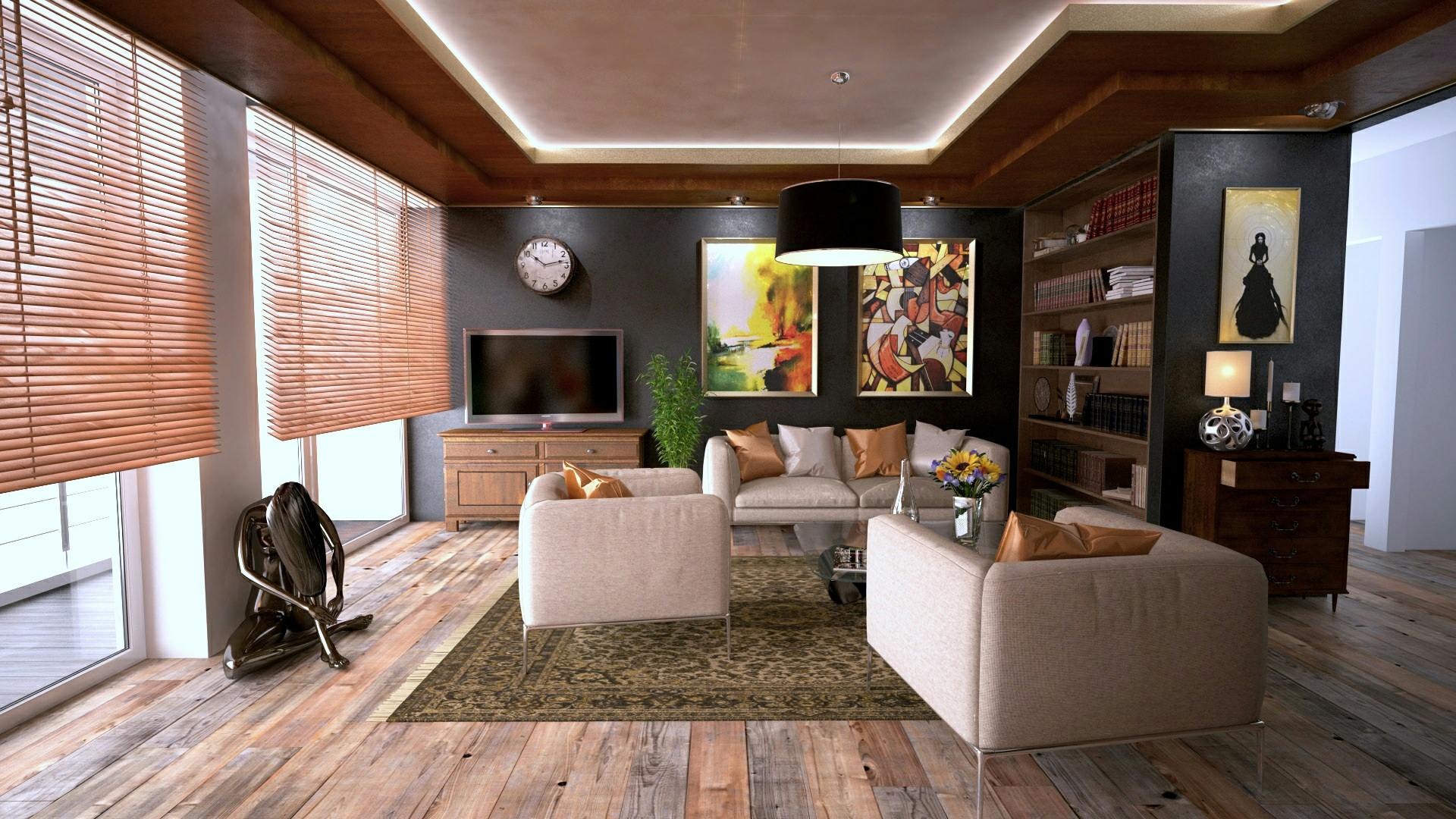
This is one of the easiest patterns to spot once you start looking for it: children’s rooms tucked into leftover corners, bathrooms that feel compressed, or spaces that seem to have been designed only after the “important” rooms were resolved.
Long-term homes can feel less balanced when that hierarchy becomes too obvious.
The goal is not to give every room the same dimensions or budget. It is to give each one a clear purpose and enough thought to function well.
Bedrooms are a good example. In How Much Open Space Does a Bedroom Really Need? , we look at how furniture placement, circulation, and intentionally unassigned floor space can determine whether a bedroom feels flexible or crowded.
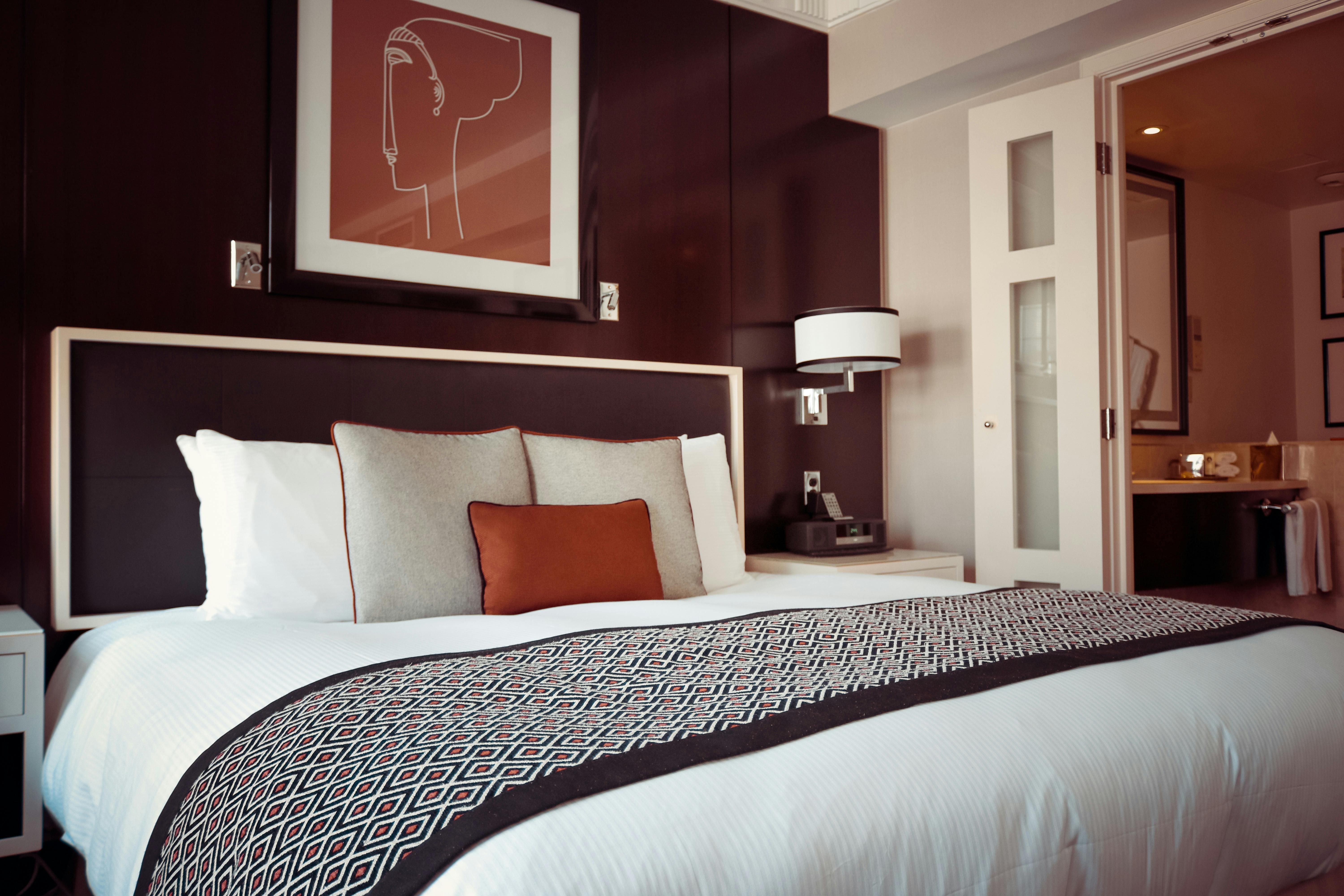
There’s a reason some homes continue to feel peaceful years later while others slowly become overwhelmed.
It often comes down to the spaces nobody photographs.
Utility hubs. Laundry rooms. Storage zones. Pantries. Drop areas.
When these spaces are designed well, they protect the rest of the home from visual noise. Calm homes usually have somewhere intentional for everyday life to land.
At the same time, even the rooms that are frequently photographed benefit from practical planning. Our article on designing photo-friendly walls explores how outlets, furniture placement, focal walls, and visual interruptions can be planned without sacrificing function.
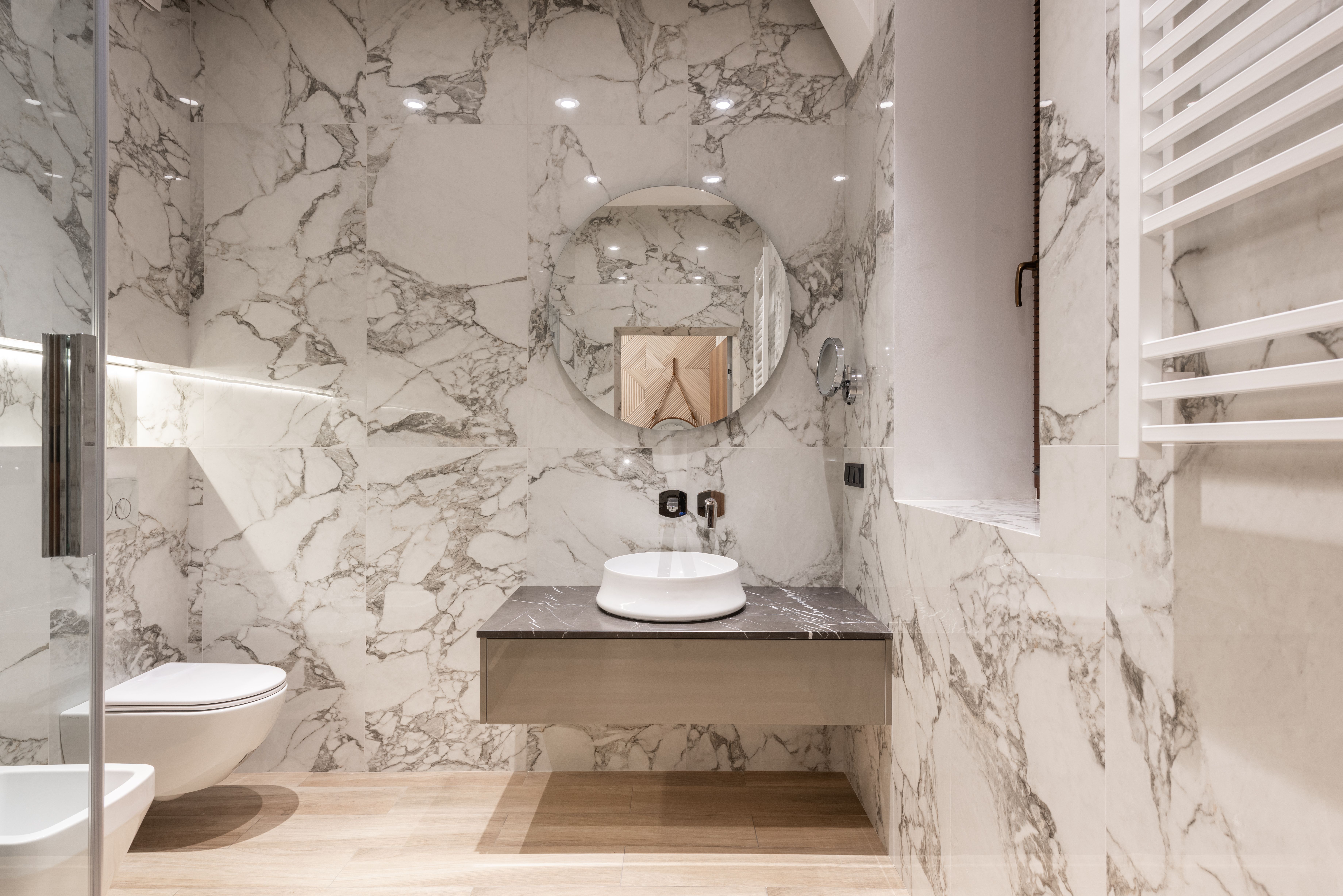
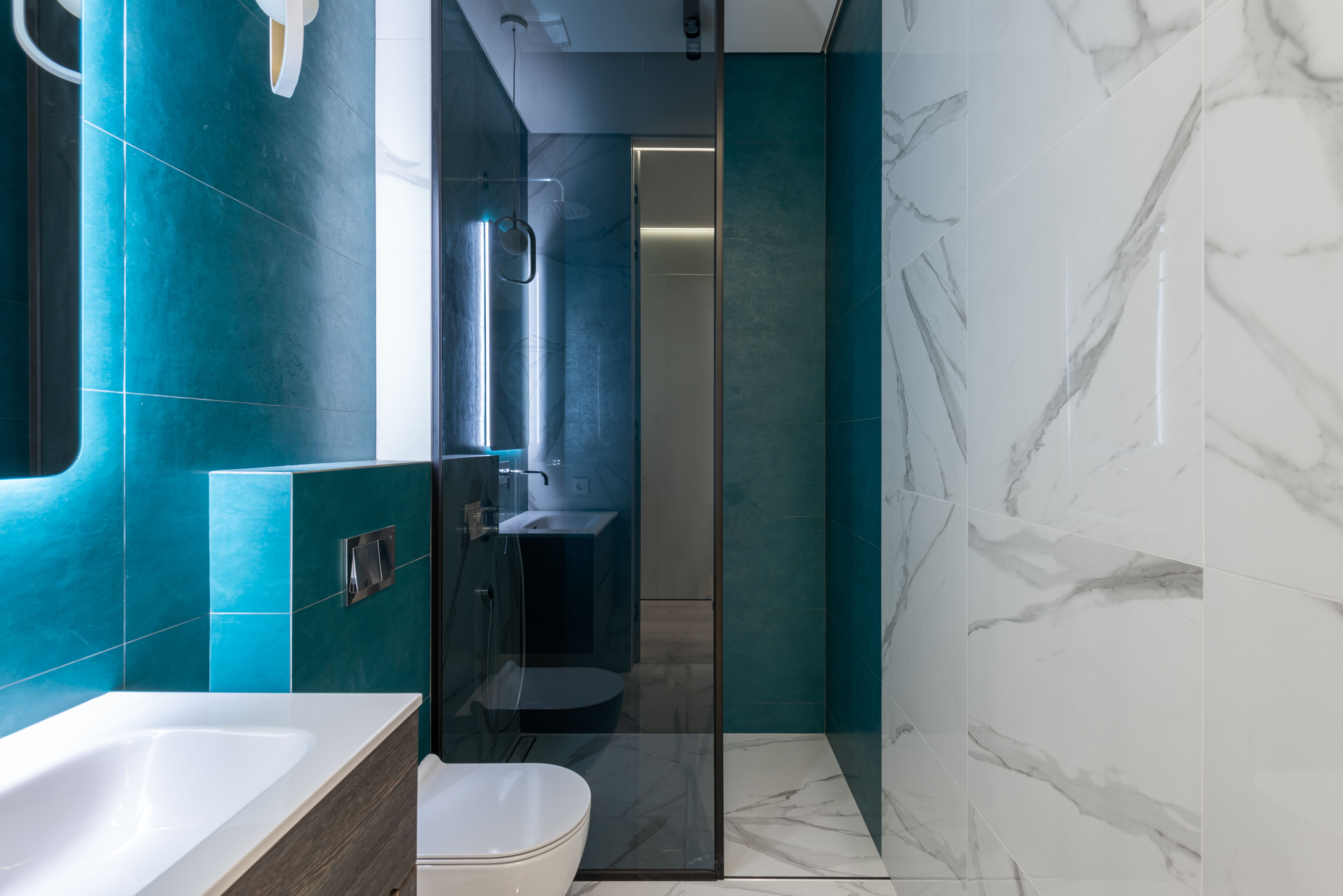
One of the biggest differences between a house that feels temporary and one that feels lasting is flexibility.
Families change. Needs shift. Spaces evolve.
A bedroom may become an office. A family member may eventually need more privacy. Children grow up. Parents visit. Technology changes. Routines that make sense today may look completely different years from now.
Layouts that quietly allow for change tend to age more gracefully — not necessarily because they are larger, but because adaptability was considered from the beginning.
That idea is central to Connected Living by Design , where we explore how architectural decisions can support multi-generational living without forcing everyone into exactly the same routines or spaces.
Some of the most consequential design decisions will eventually disappear behind drywall.
Electrical planning, outlet placement, lighting circuits, future technology, and other infrastructure may not be visually exciting during the planning stage, but they determine how easily the finished rooms support everyday life.
That is why we are thinking through the electrical decisions you only get one chance to make before drywall while changes are still relatively easy to make.
We are doing the same with outlet placement , because access to power affects lamps, furniture, charging, workspaces, focal walls, and even how freely a room can be rearranged later.
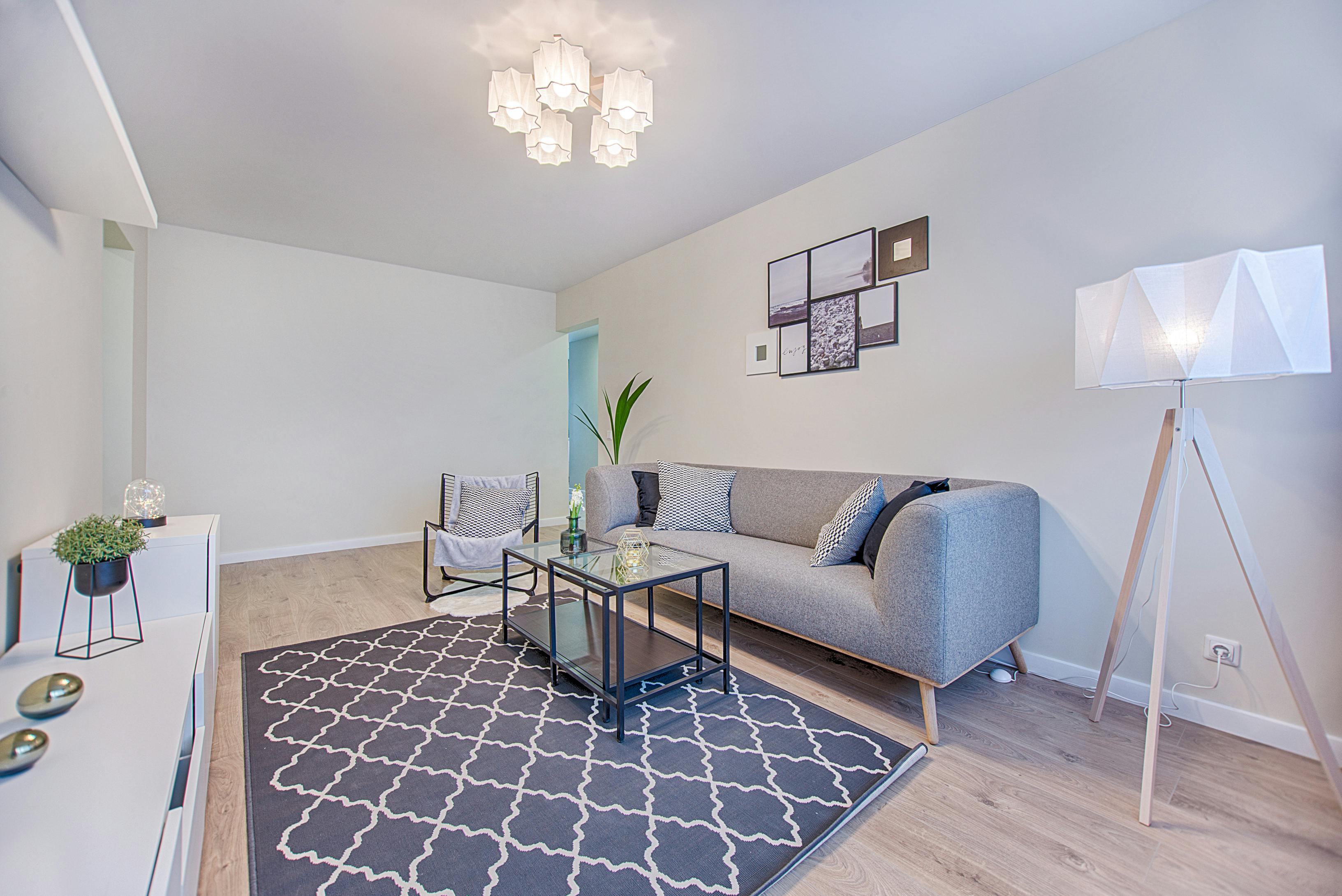
The interesting part of this process isn’t choosing finishes or styling.
It’s recognizing the patterns that quietly separate homes that feel settled from homes that always feel slightly unfinished.
Those are the details we’re paying attention to now — long before construction begins — because they’re the ones we will still be living with long after the excitement of building fades.
What design pattern do you notice most often when a home feels calm, functional, and well resolved?