The difference between a house that simply looks beautiful and one that actually feels good to live in is almost always decided long before finishes are chosen.
It happens in the layout.
After years spent inside homes — through real estate, property management, travel, and now the process of designing our own build — I’ve learned that the spaces people remember most aren’t necessarily the largest or the most expensive.
They’re the ones where movement feels natural, light lands in the right places, furniture has room to work, and daily life happens without unnecessary friction.
That idea is at the heart of what I think of as the quiet luxury of designing a home around real life : spaces that feel refined not because they are oversized or extravagant, but because they support the people living in them.
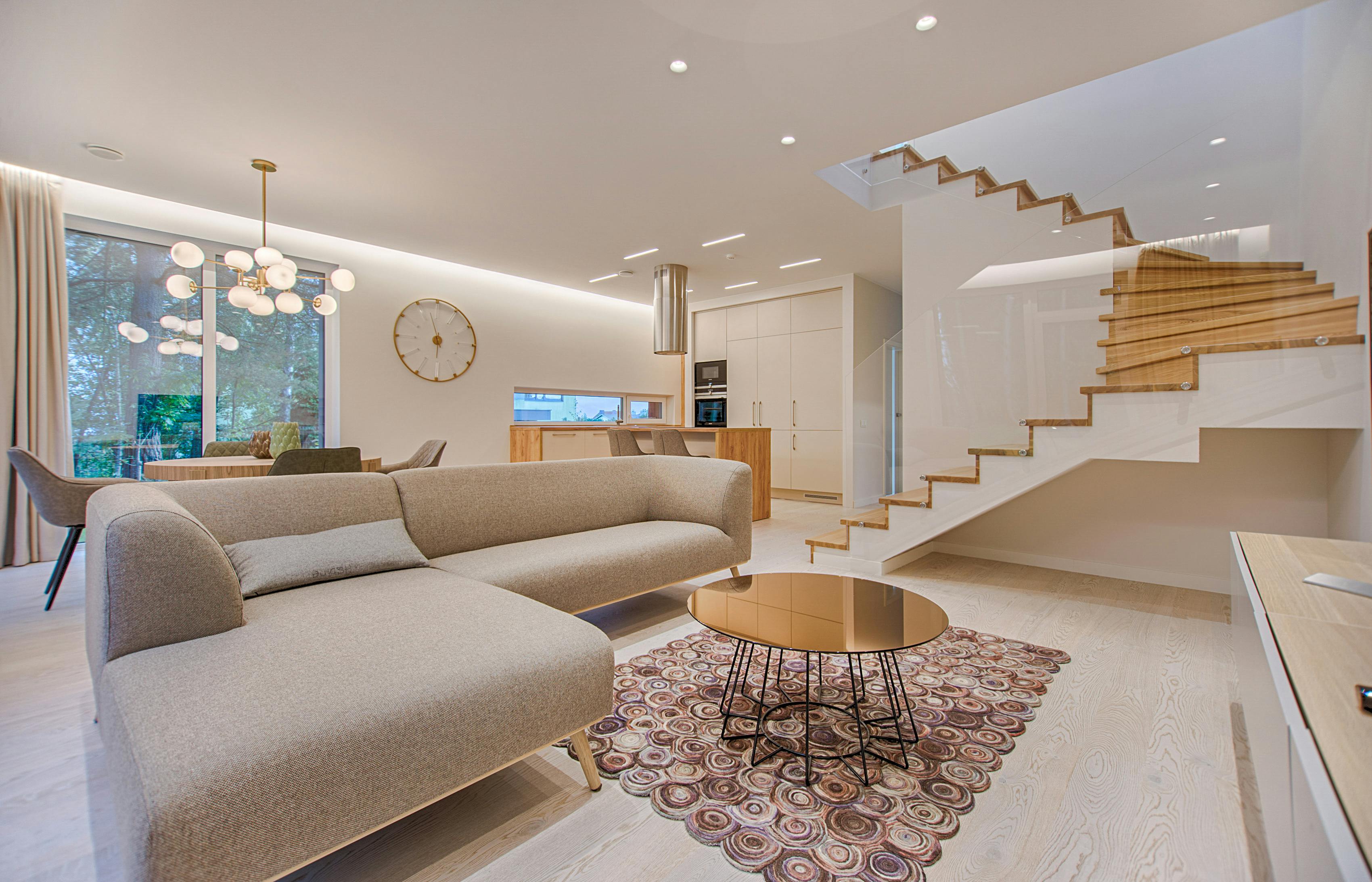
Quiet luxury begins with decisions most people never notice.
If you’re building, remodeling, or simply studying homes, these are the layout choices that consistently separate thoughtful design from plans that only look good on paper.
Long hallways and oversized transitions are sometimes interpreted as signs of a larger or more luxurious home.
But square footage devoted purely to moving from one place to another can become expensive space that contributes very little to everyday life.
A well-designed home minimizes unnecessary circulation while still allowing rooms to breathe. The goal isn’t to eliminate hallways — it’s to make movement feel intentional.
If a hallway must exist, give it purpose — a framed view, natural light, useful storage, or a visual destination that makes moving through the home feel graceful instead of purely functional.
This isn’t only an aesthetic idea. The National Association of Home Builders includes circulation patterns, traffic flow, functional division of space, furniture arrangement, storage, and efficient use of space among the considerations in its floor-plan judging materials.
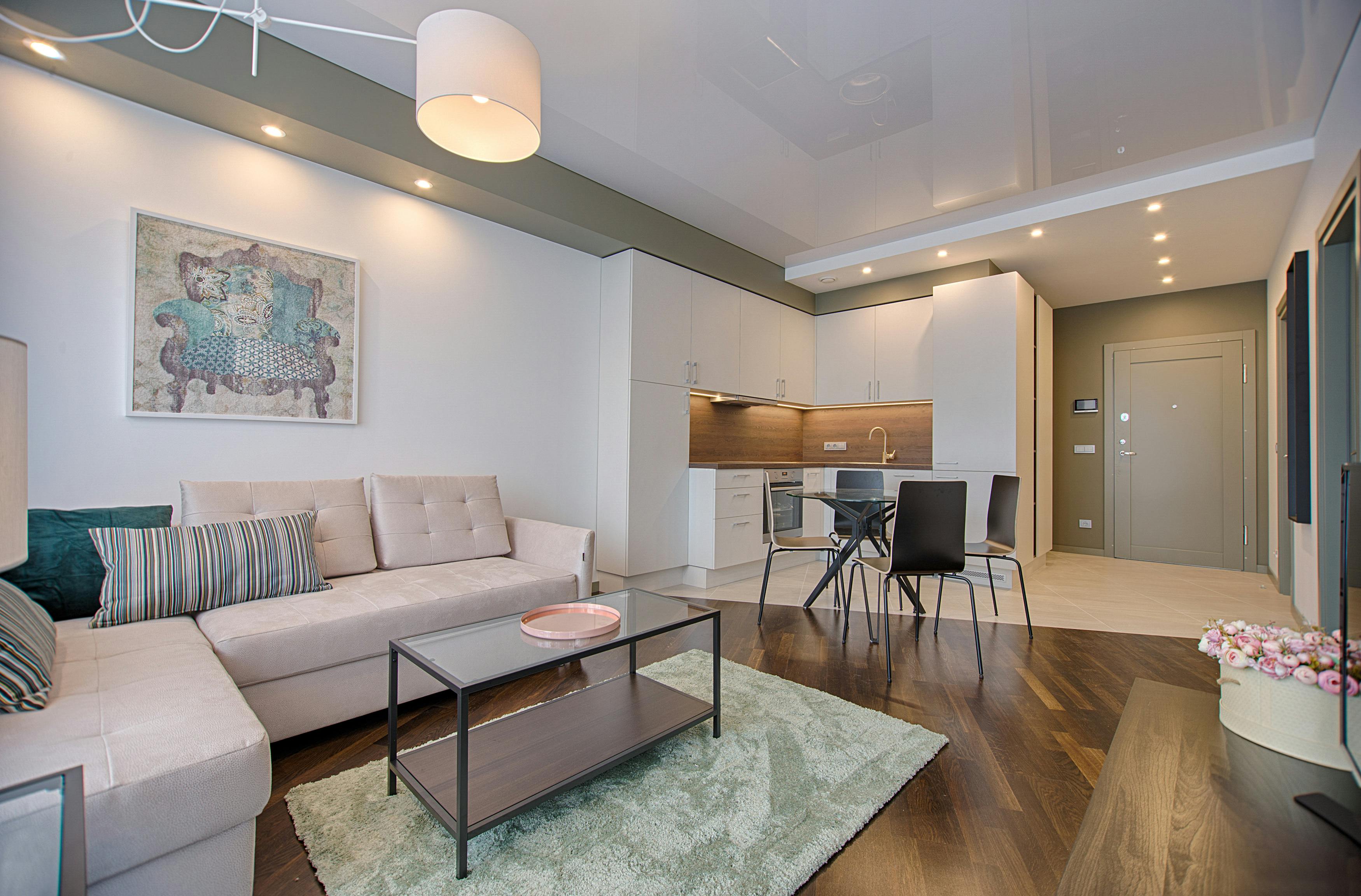
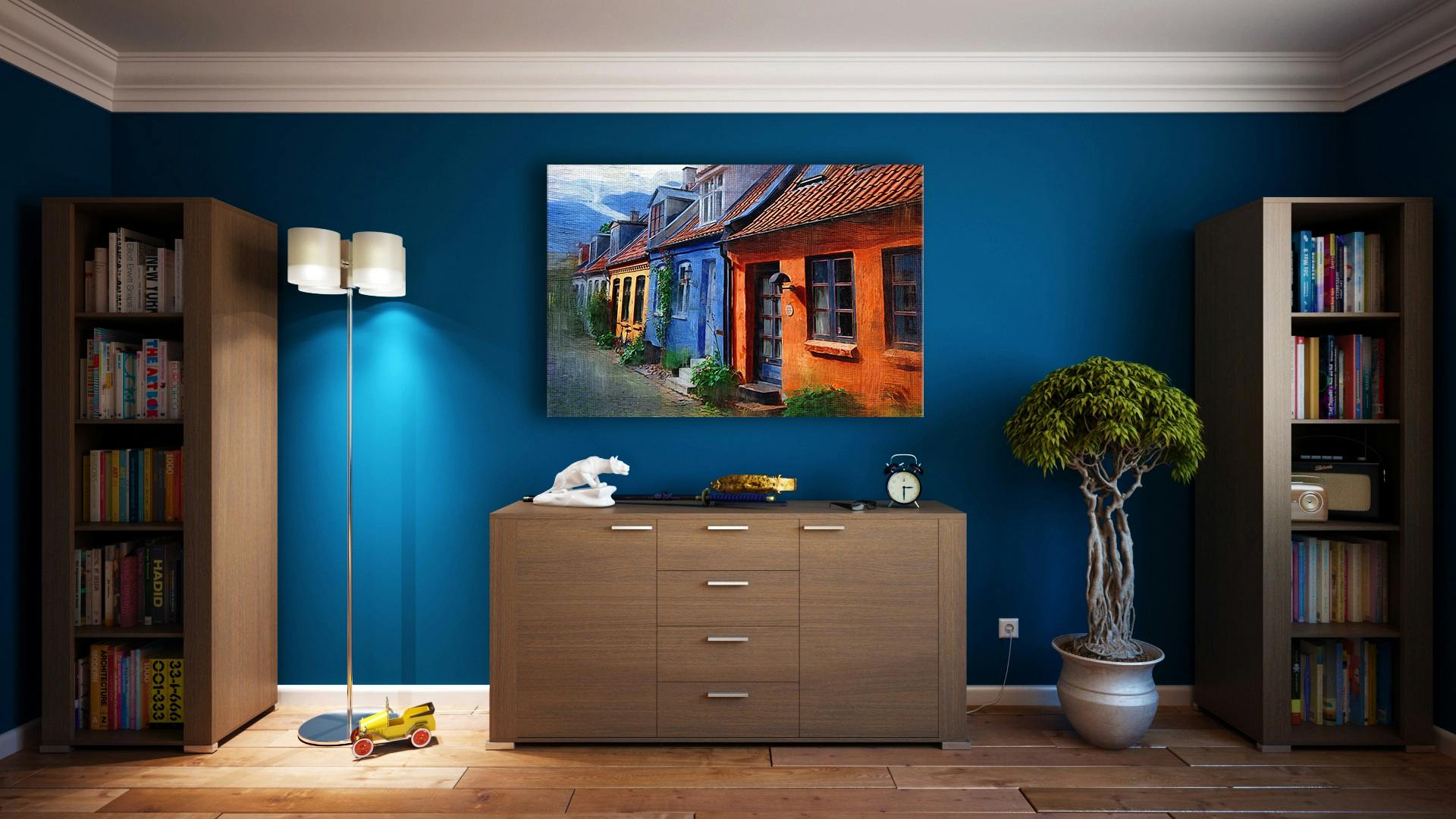
One of the most overlooked design decisions happens the moment someone enters a home.
If the first view immediately exposes clutter zones, utility areas, or awkward architectural intersections, the house can feel visually unsettled even when the finishes themselves are beautiful.
Thoughtful homes tend to consider what the eye encounters first.
Use subtle turns, partial walls, furniture placement, millwork, or a framed view to control what is revealed. The goal is not theatrical drama — it is visual ease.
These same sight-line decisions matter when we think about designing photo-friendly walls . Outlets, switches, furniture, artwork, doors, and architectural interruptions all influence whether a wall can function as a calm visual backdrop.
This is one of the strongest signals of thoughtful design — and one many floor plans quietly miss.
Primary spaces often receive the best views, proportions, windows, and architectural details while children’s rooms or secondary bedrooms become whatever space remains.
But homes built for real life can feel unbalanced when only a few rooms receive careful attention.
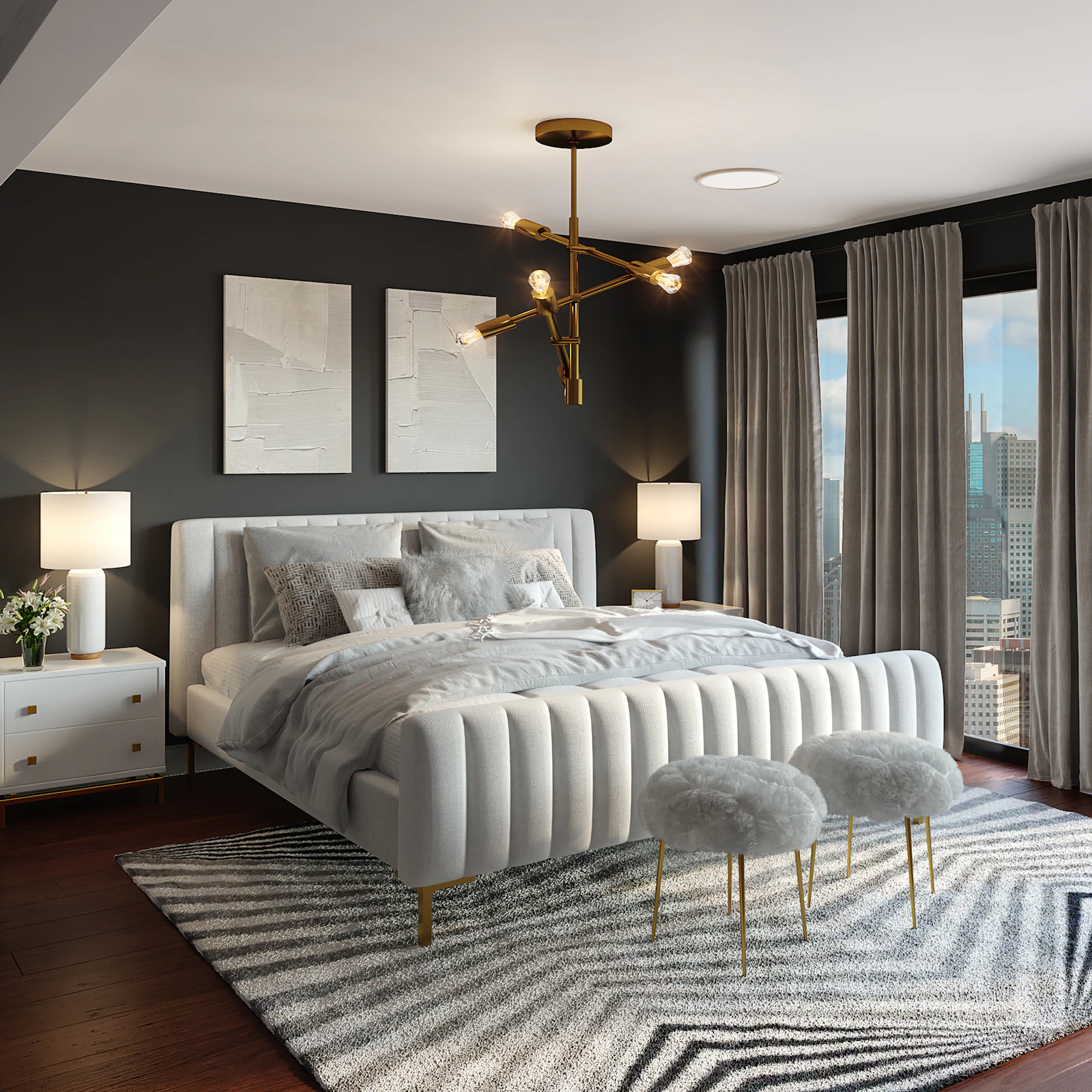
Give every bedroom at least one intentional advantage — a pleasant view, good natural light, balanced walls, or a layout that makes furnishing the room easy.
This is also why we spent time asking how much open space a bedroom really needs . A bedroom can technically accommodate all its furniture and still feel constrained if there is not enough unassigned space for movement and everyday life.
The most peaceful homes aren’t necessarily easier to keep perfectly clean — they are often simply better at containing function.
Laundry, storage, small appliances, bulk supplies, school bags, exercise equipment, packages, and everyday overflow all need somewhere to live.
Without those supporting spaces, practical life slowly migrates into kitchens, dining rooms, bedrooms, and living areas.
Dedicated utility and storage spaces can protect the visual calm of the rest of the home.
Even one highly functional room can have an outsized effect. In our article about designing a pantry that serves the home , we look at how storage, appliances, food, overflow, and daily routines can be absorbed before they spill into the main kitchen.
A common layout pattern is reserving the strongest windows, views, and outdoor connections for only the most prominent spaces.
Homes can feel more gracious when light is shared.
Secondary bedrooms, hallways, laundry spaces, stairways, and connecting zones can all benefit from thoughtful access to daylight and views.
Look for opportunities to borrow or distribute light more evenly through the home rather than concentrating it in only a few showcase rooms.
Natural daylight also works differently from artificial lighting, which is why we are separately thinking through lighting decisions before building . The goal is for the home to feel comfortable in daylight, at dusk, and at night rather than relying on one lighting strategy for every moment.
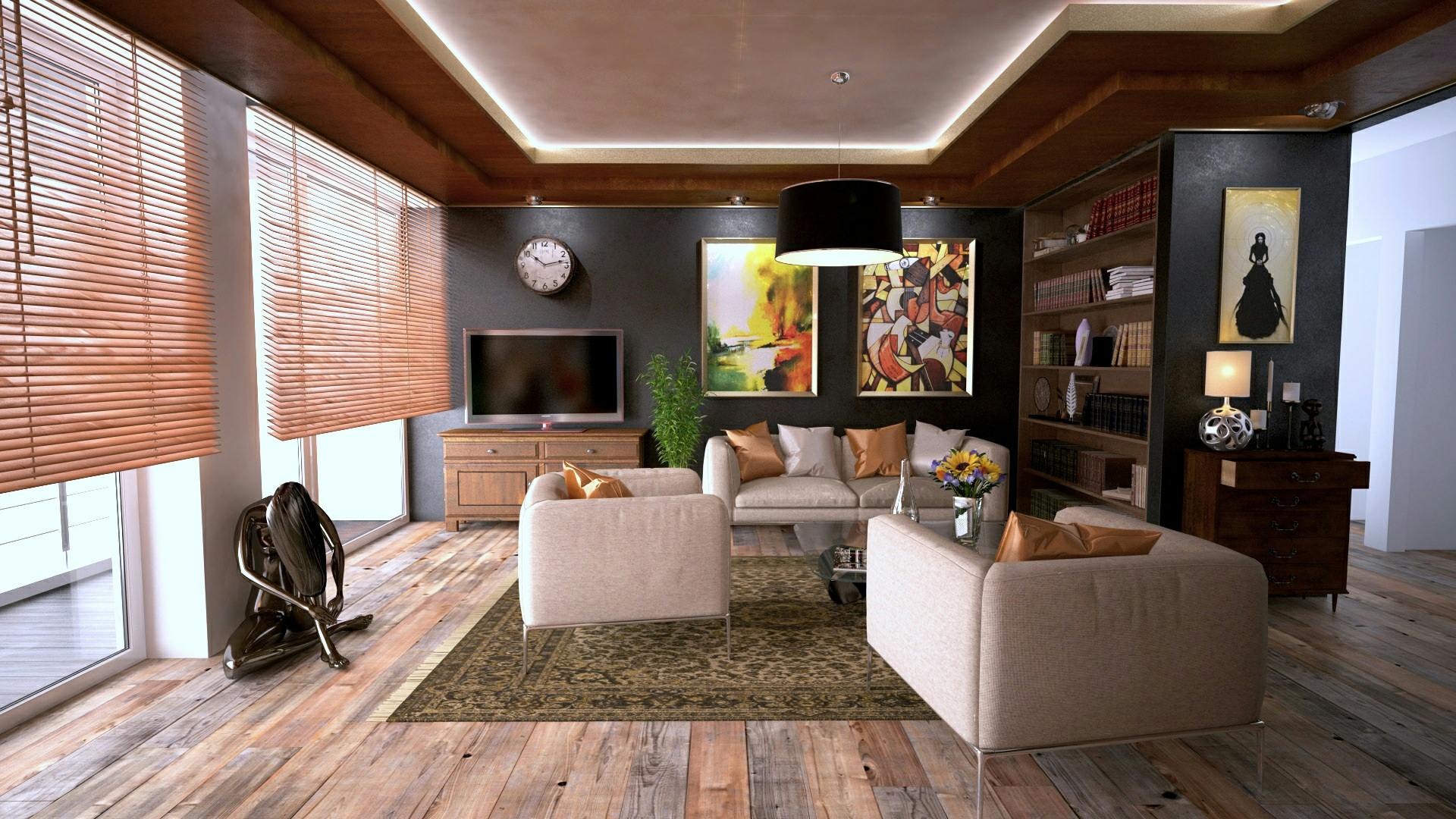
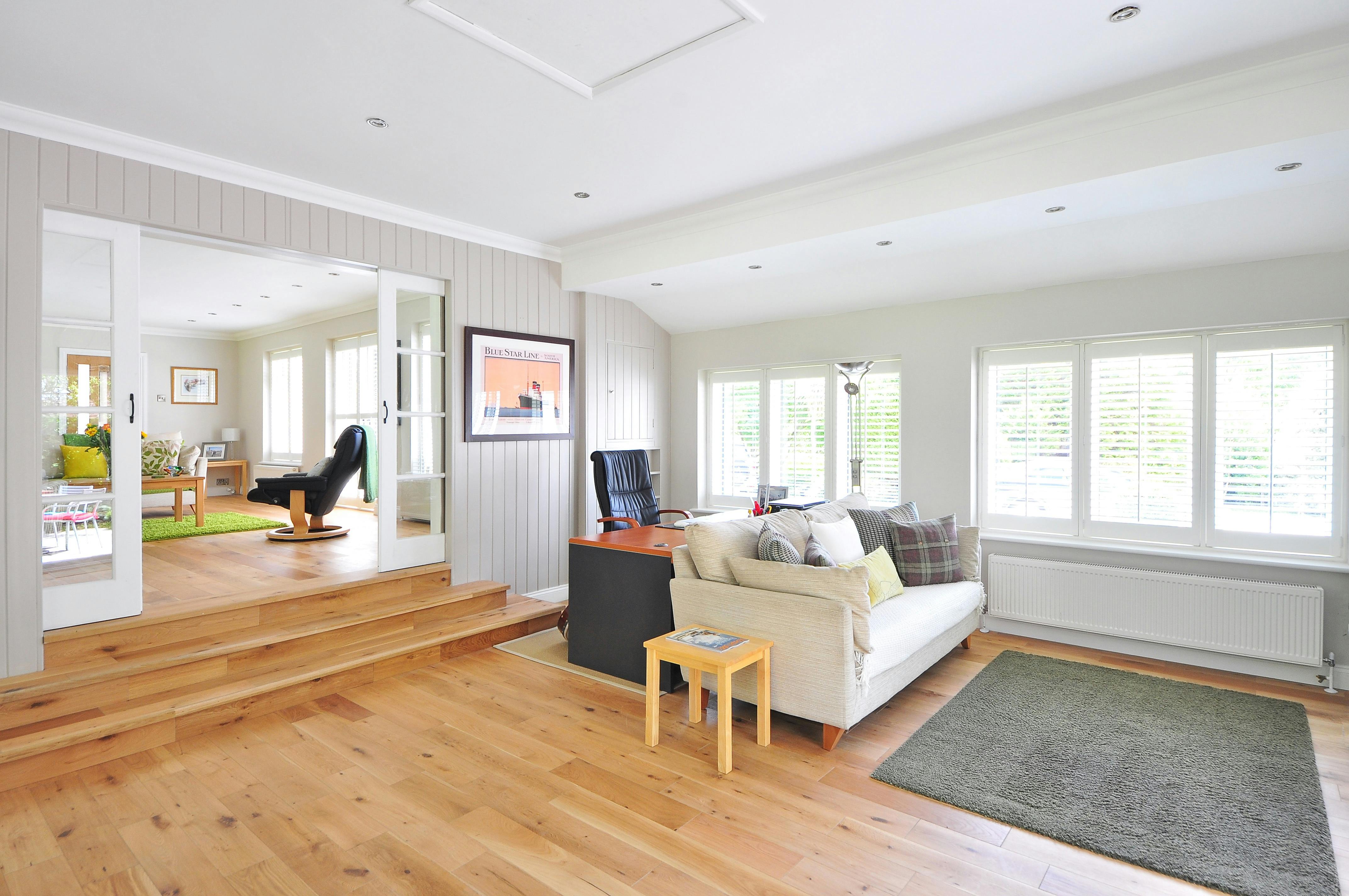
The homes that feel restful usually made these decisions long before décor entered the conversation.
Lighting zones, switches, outlet placement, and furniture planning quietly influence how a space works and how visually calm it feels.
Think about electrical systems and furniture at the same time rather than treating them as separate decisions.
We explore this more specifically in Outlet Placement: The Quiet Detail That Changes How a Home Feels . Outlet placement may sound minor during construction, but it affects lamps, charging, desks, beds, seating arrangements, appliances, and future flexibility.
The same principle becomes even more important before the walls close. Our article on the electrical decisions you only get one chance to make before drywall looks at future power needs, networking, solar readiness, generator planning, and other decisions that are easiest to discuss while everything is still accessible.
A floor plan shouldn’t only work for the family moving in today.
Children grow. Parents age. Work-from-home needs change. Guests may stay longer. A bedroom may eventually become an office, hobby room, caregiving space, or place for an adult child to return temporarily.
That doesn’t mean every room needs to be designed for every possible scenario.
It simply means flexibility deserves a place in the conversation.
That is one of the ideas behind Connected Living by Design , where we look at how layout decisions can support multi-generational living while still protecting independence, privacy, and comfortable shared spaces.
Before getting distracted by finishes, elevations, cabinet styles, or beautiful renderings, I keep coming back to a much simpler group of questions:
If those questions have thoughtful answers, the foundation of the design is usually much stronger.
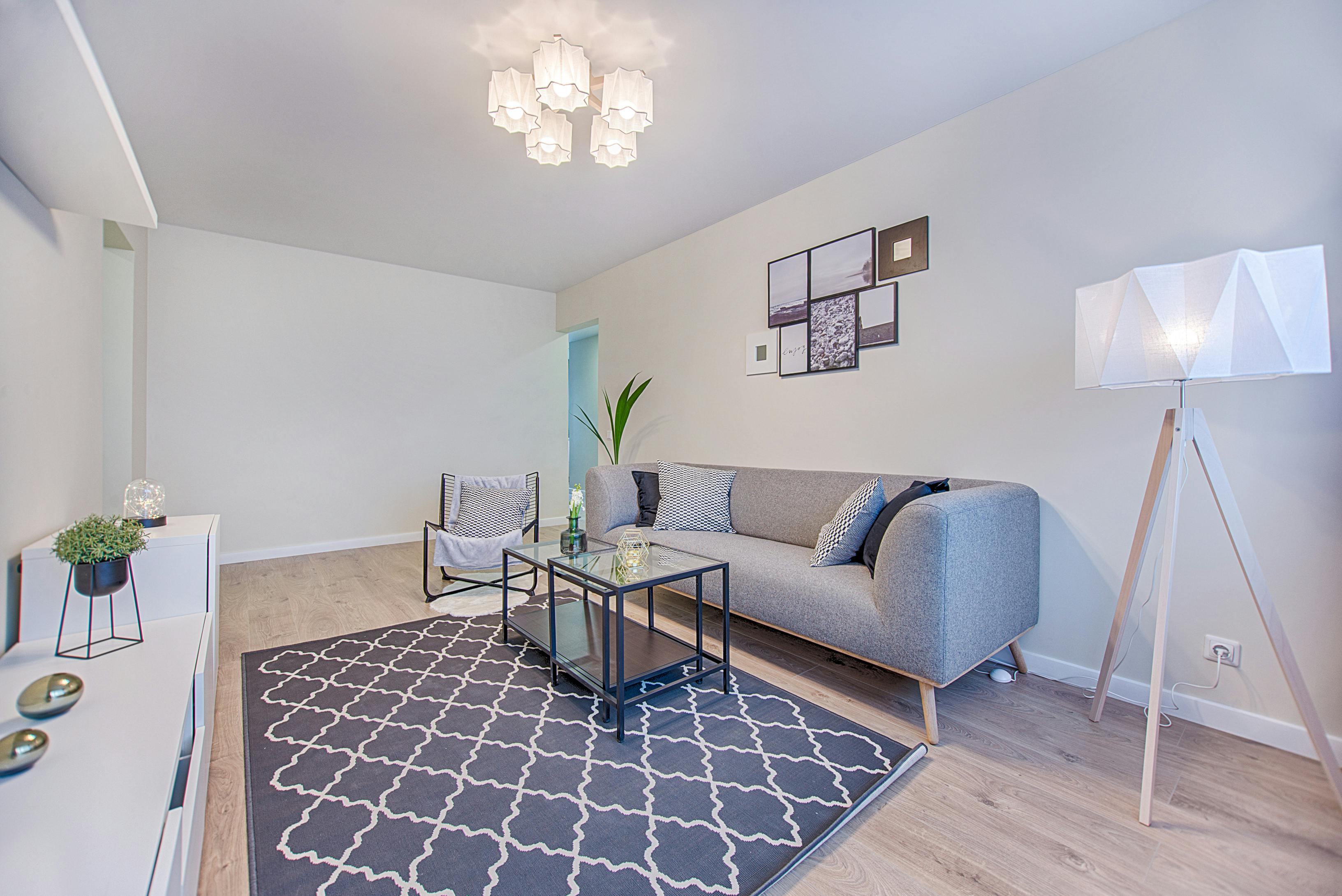
The homes that leave the deepest impression rarely announce themselves loudly.
They simply feel settled — balanced, intuitive, and quietly confident.
And that’s the lens I’ll keep using throughout this build series: not chasing trends or oversized spaces, but studying the decisions that make a home feel right long before styling begins.
What layout decision do you think makes the biggest difference in how a home feels day to day?