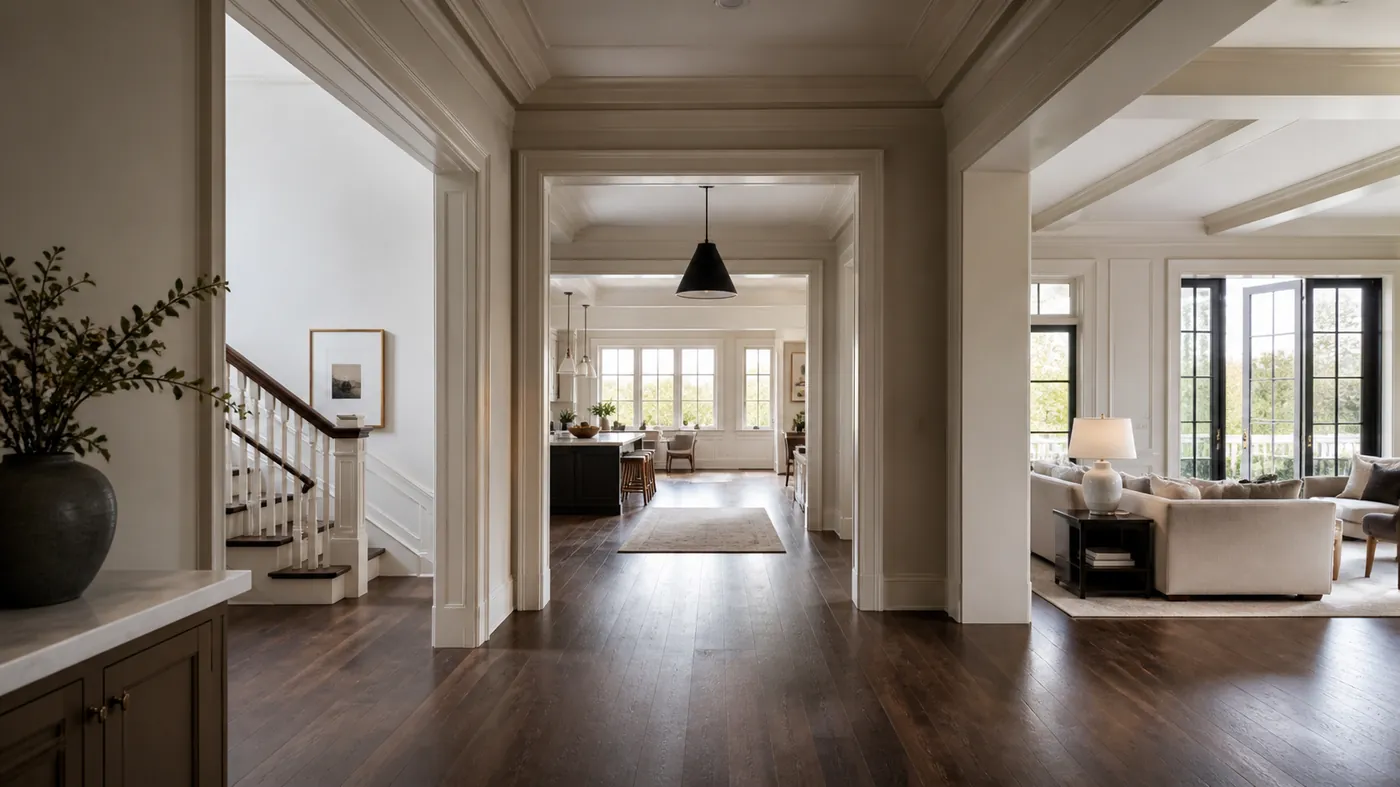
Some homes feel effortless to live in — not because of what you see, but because of what was planned early.
After years around real estate and property management, I’ve learned that many of the smartest home decisions aren’t visible once a house is finished. They’re hidden behind the walls.
If you’re building, remodeling, or even just daydreaming about a future home, electrical planning is one of those areas where thinking ahead can quietly change how the house functions for years.
It also works hand in hand with the layout decisions that quietly define a well-designed home . Furniture placement, circulation, lighting, charging, technology, and future flexibility all become easier to plan when the electrical system follows the way the rooms will actually be used.

Right now we’re still in the pre-build phase — binders open, conversations happening, and decisions still flexible — which makes this the perfect time to think about what future life in the home may actually require.
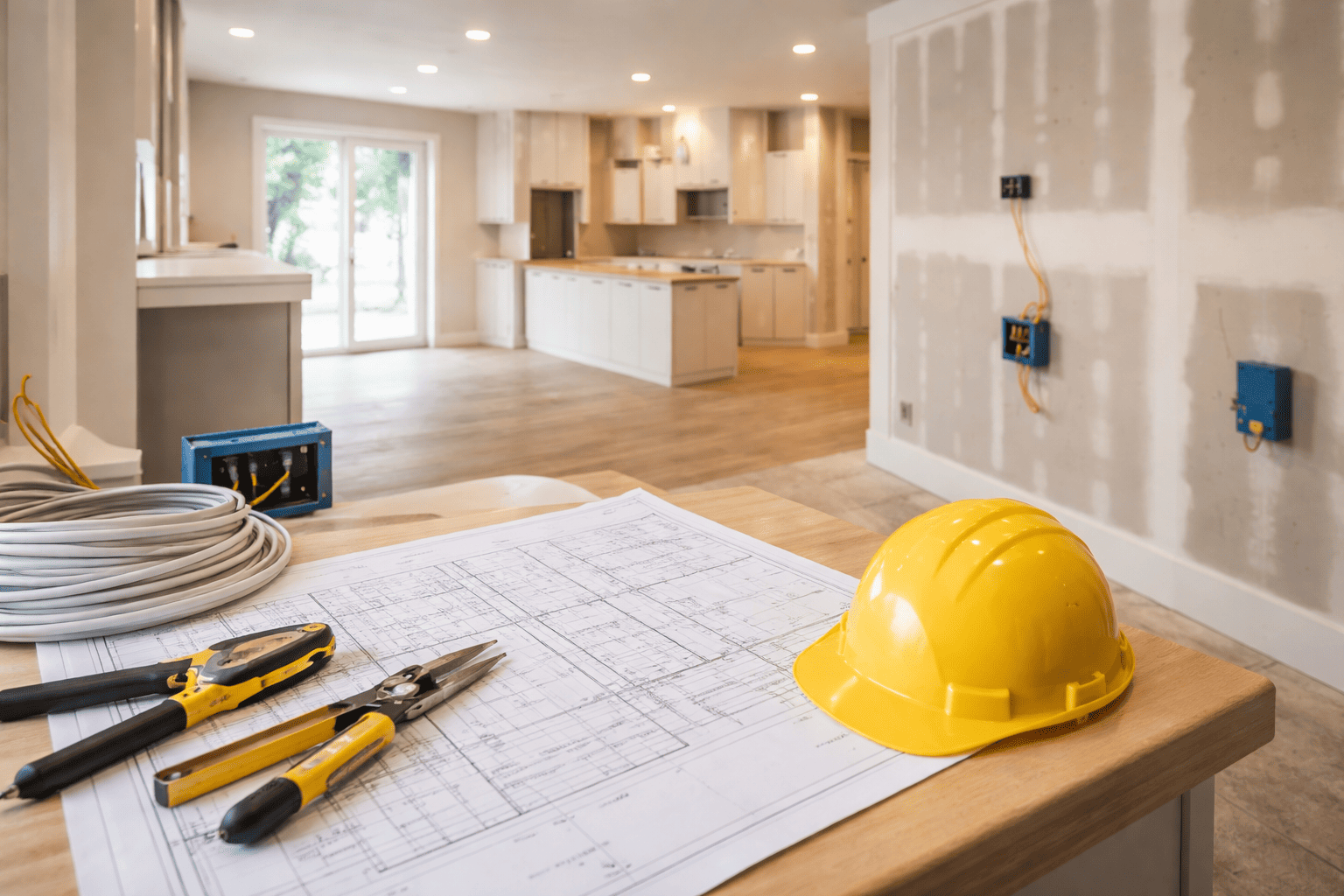
Because once drywall goes up, changing wiring, adding circuits, relocating switches, or preparing for future systems can become much more disruptive.
Once the walls close, convenience can quickly get replaced by workarounds.
Electrical planning may look technical on paper, but in real life it influences whether a home feels calm, adaptable, and easy to live in.
One thing I’ve noticed after walking through many homes is how often electrical planning gets treated purely as a technical step instead of also being considered a lifestyle decision.
The required electrical system gets installed. Receptacles, switches, circuits, and lighting are placed according to the plans, applicable code, and construction requirements.
And technically, everything may work.
But years later, homeowners can still find themselves wishing they had thought more carefully about how they would actually use each room.
This is especially obvious with outlet placement . A few strategically planned power locations can influence everything from furniture arrangements and bedside charging to lamps, coffee stations, workspaces, and how many extension cords eventually enter the room.

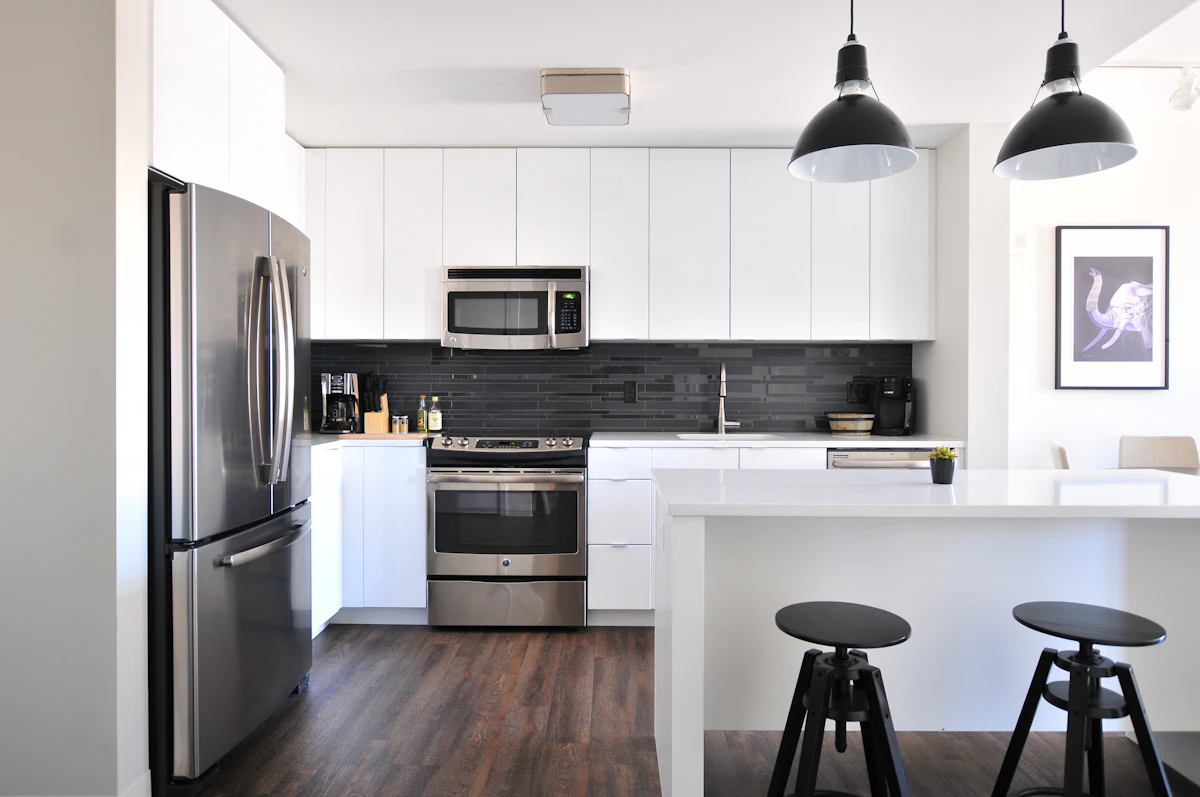
When we started discussing electrical planning, we realized we weren’t just wiring for move-in day.
We were trying to think about:
The goal isn’t to make the home unnecessarily complicated. It’s to preserve flexibility where doing so makes sense.
That long-term perspective is also part of our thinking around designing for connected and multi-generational living . A home may need to support very different routines ten or twenty years from now than it does on move-in day.
We’re not necessarily installing a whole-home generator immediately, but we do want to ask the right questions now so a future installation does not require avoidable rework.
Those conversations include questions such as:
These are questions for the builder, electrician, utility requirements, and any future generator professional — not decisions we would try to engineer ourselves.
The important part for us is simply raising them while changes are still easier to make.
The same idea applies to solar.
We may not install solar as part of the initial build, but that doesn’t mean we need to ignore the possibility completely during construction.
The U.S. Department of Energy’s Solar Energy Guide for Homebuilders describes a solar-ready home as one designed with features that make a future solar installation easier, even when the panels themselves are added later.
For us, that means having a conversation with the professionals involved in the build about what choices today could preserve flexibility tomorrow.
Depending on the home and local requirements, those conversations might include:
The goal is not to overbuild for a system we may never install. It is simply to avoid accidentally making a future upgrade unnecessarily difficult.
One thing we’ve talked about a lot is internet setup.
WiFi is convenient, but hard-wired network connections can still be useful in places where stability, speed, or future flexibility matter.
We’re considering:
It’s another example of something that may barely be visible once the house is complete but can affect everyday usability for years.

Just like lighting, electrical placement works best when it follows how people actually live.
That means thinking ahead about:
This is one reason our lighting decisions and our electrical decisions are being considered together rather than as completely separate conversations.
A lamp only works where power exists. A dimmer only helps if the lighting zones make sense. A kitchen task area works better when light, switches, and receptacles all support the same routine.
Electrical design also affects what a finished room looks like.
Outlets, switches, controls, thermostats, cables, and wall-mounted technology all become part of the visual composition whether we intend them to or not.
That is why our article on designing photo-friendly walls is not really only about photography.
It is about coordinating architecture, furniture, power, controls, artwork, and visual focal points early enough that one system doesn’t accidentally undermine another.
Safety, access, electrical code, and professional requirements always come first. But within those requirements, early coordination can create a cleaner finished result.
One thing I’ve learned from seeing so many homes is that thoughtful electrical planning often shows up as something you barely notice.
Lamps plug in where you expect them to. Charging happens without cords stretched through walkways. Furniture can sit where it makes sense. The network works. Lighting changes with the mood of the room.
The systems recede into the background.
That kind of ease is part of what we mean when we talk about the quiet luxury of designing a home around real life .
Luxury isn’t always something you see. Sometimes it is simply the absence of unnecessary friction.
Electrical planning feels technical when you’re looking at diagrams, plans, circuits, and contractor notes.
But in reality, those technical decisions eventually become everyday experiences.
They influence where you can place furniture, how easily you can charge devices, whether rooms adapt over time, and how much improvisation is required later.
Right now, while we’re still in the planning phase, we’re trying to make decisions that support long-term comfort rather than only the needs we can see today.
Some homes age beautifully because their systems were planned with flexibility.
Others begin accumulating workarounds almost immediately.
And the difference isn’t always size or budget. Often it is simply how thoughtfully the hidden decisions were coordinated early in the process.
After years of walking through homes, I’ve learned that the details people feel most are often the ones they don’t immediately see.
If you’ve built or remodeled, what’s one electrical decision you’re glad you made early — or one you wish you had thought about before the walls closed?