Lighting & Electrical

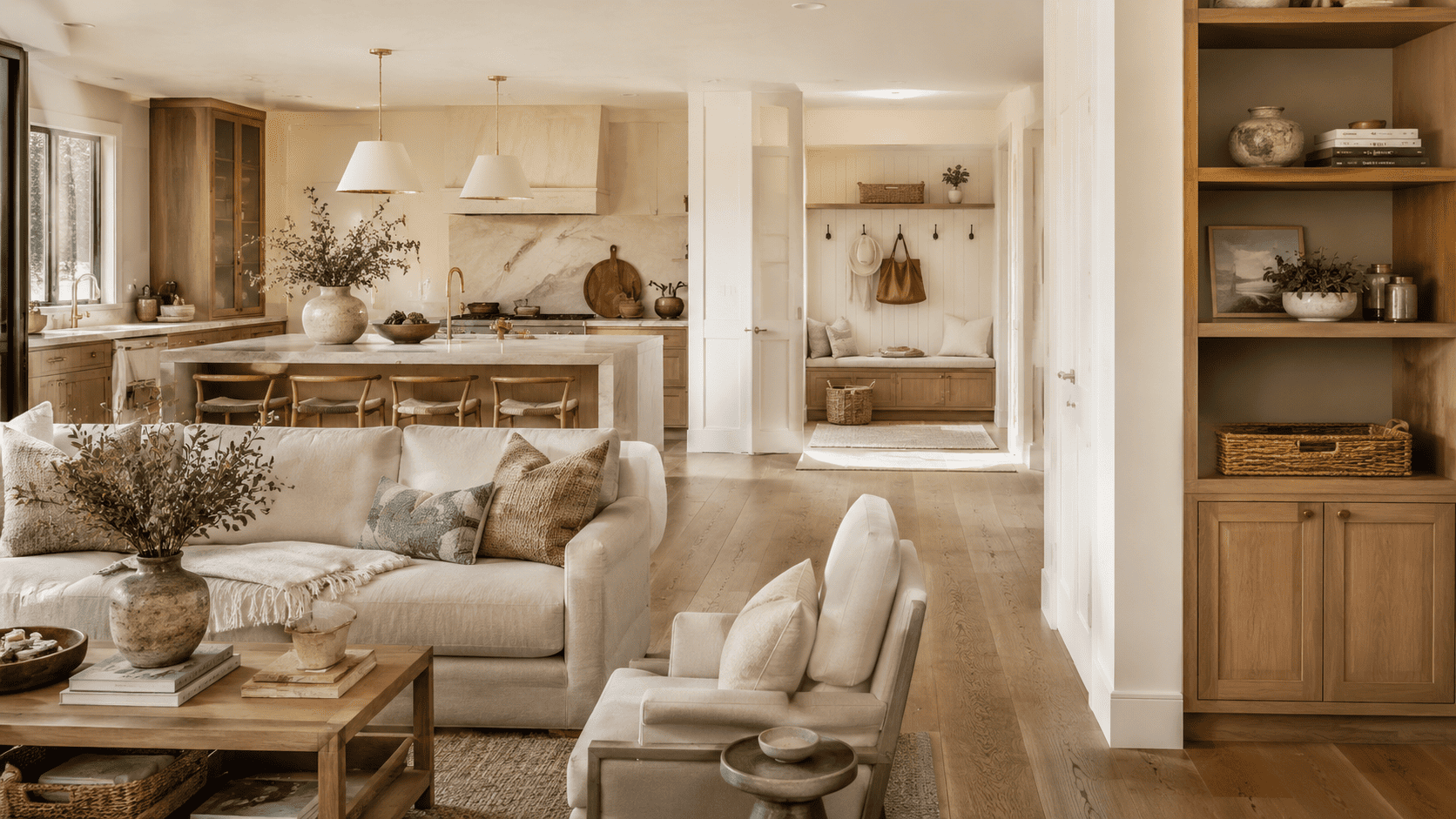
The most memorable homes aren’t designed around trends — they’re designed around how life actually unfolds inside them.
It’s easy to design for photos. It’s harder to design for real routines: groceries that need somewhere to land, laundry that never quite ends, spaces that invite people to gather without effort, and rooms that continue working as family life changes.
As we continue planning our build, one idea keeps shaping nearly every decision: true luxury is often invisible. It shows up in how a home works long after the first impression fades.
That philosophy is closely connected to the layout decisions that quietly define a well-designed home . Before finishes, furniture, or styling, the floor plan determines how people move, gather, work, rest, and live.
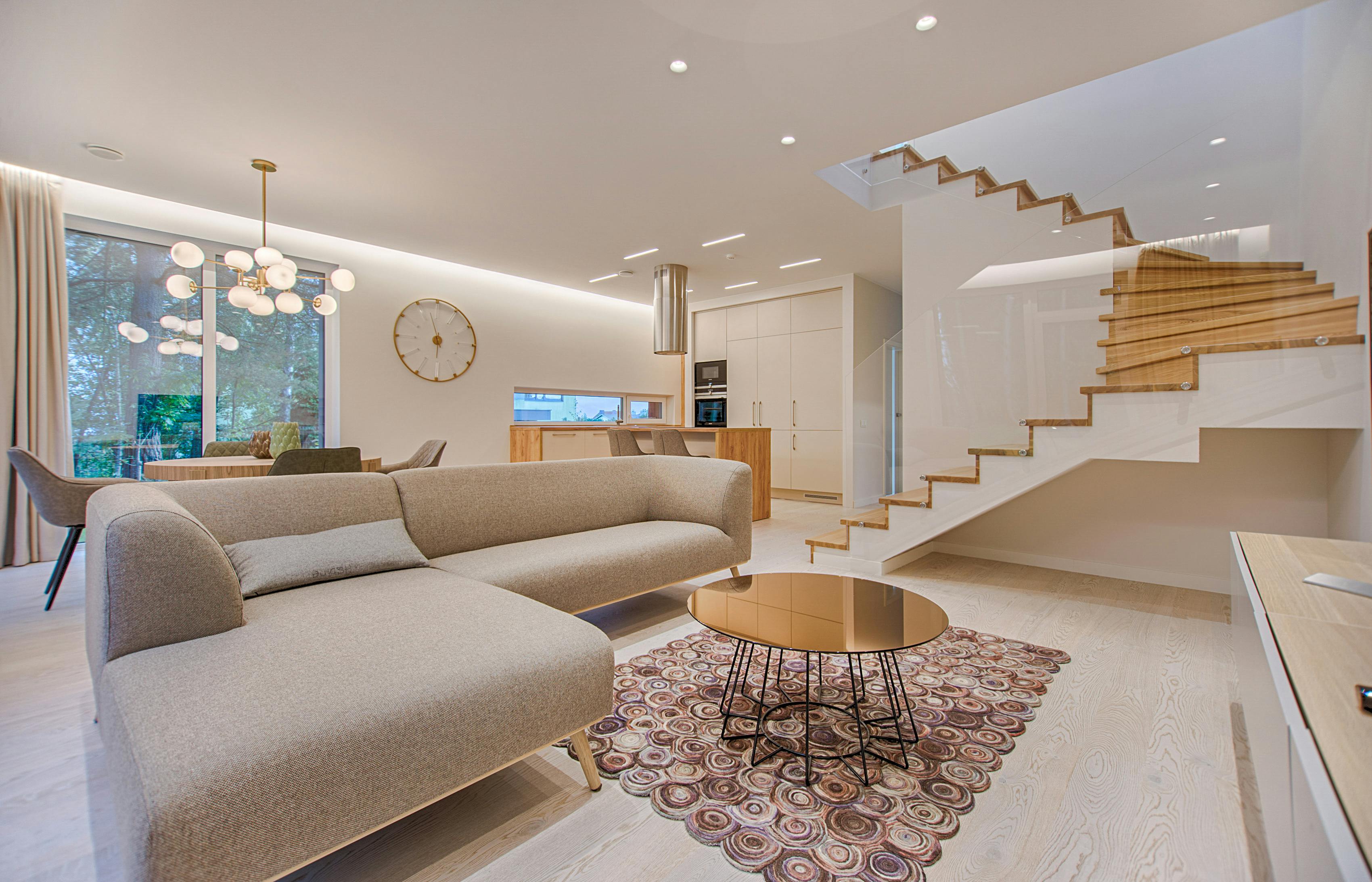
True luxury often isn’t what stands out first.
It is the quiet ease of a home that works well after the first impression fades — the drop zones, storage, movement, light, and functional spaces that make everyday life feel calmer.
Many homes look impressive on paper but feel awkward once people move in. That can happen when design prioritizes visual impact without giving the same attention to daily function.
A well-designed home doesn’t constantly demand attention. It quietly supports life as it happens — mornings that start quickly, evenings that slow down naturally, and everything in between.
That relationship between appearance and function is also why we’re thinking about photo-friendly walls differently. A beautiful wall is much more useful when outlets, furniture, lighting, artwork, and everyday function have already been coordinated around it.
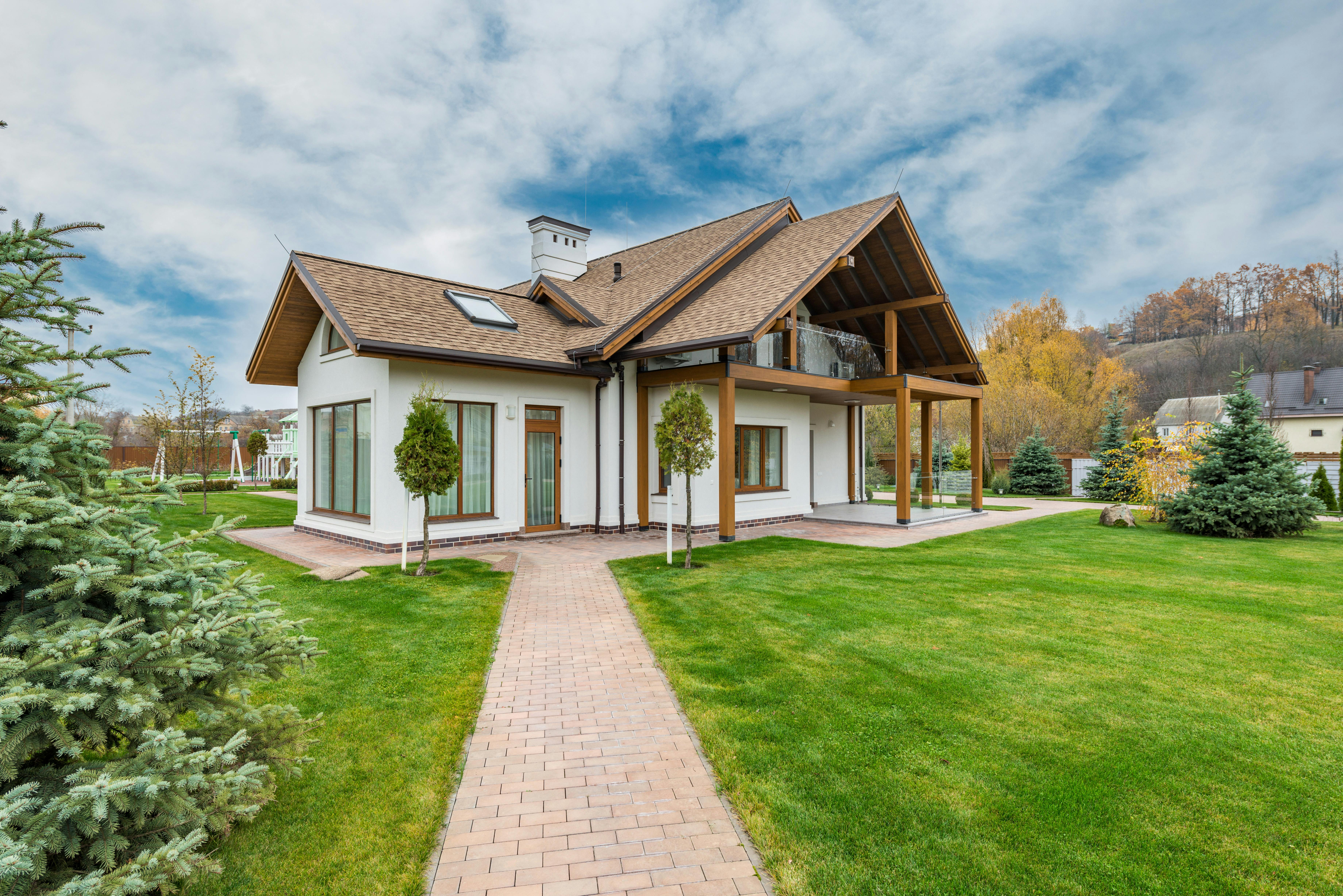
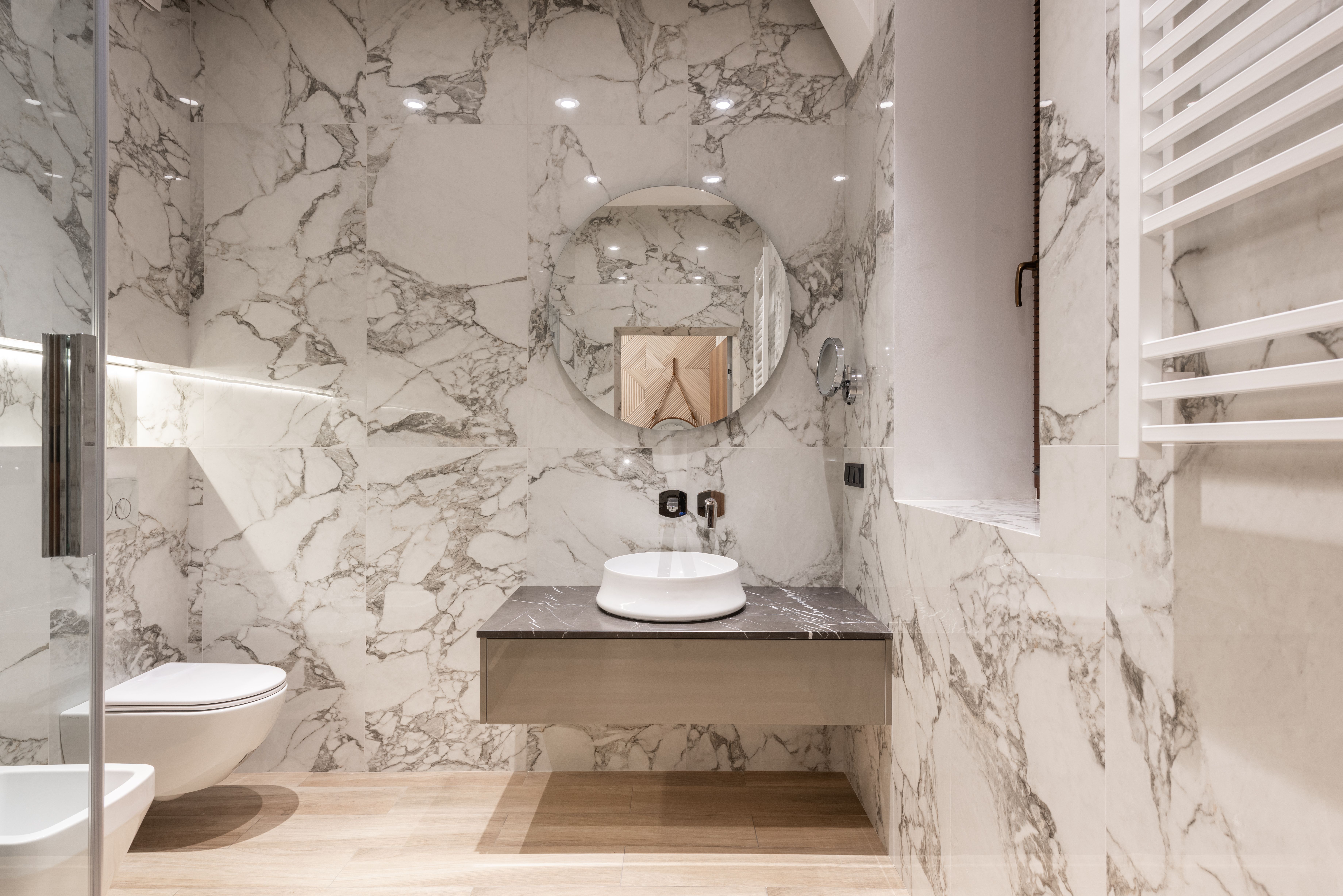
Inspiration boards are useful — we use them constantly — but they can’t be the final decision-maker.
Real-life design asks different questions:
These questions rarely make the inspiration board, but they define how a home feels day after day.
When a layout respects natural patterns instead of forcing new ones, the home has a better chance of feeling calm rather than chaotic.
One of the biggest shifts in our planning process has been treating functional spaces with the same respect as beautiful ones.
Utility rooms, pantries, storage zones, and transitional spaces can quietly determine whether a home feels effortless or frustrating.
In many homes, these areas become whatever square footage is left after the more visible rooms have been planned. The result can be clutter and everyday necessities slowly creeping into the spaces that were meant to feel peaceful.
When utility spaces are designed intentionally:
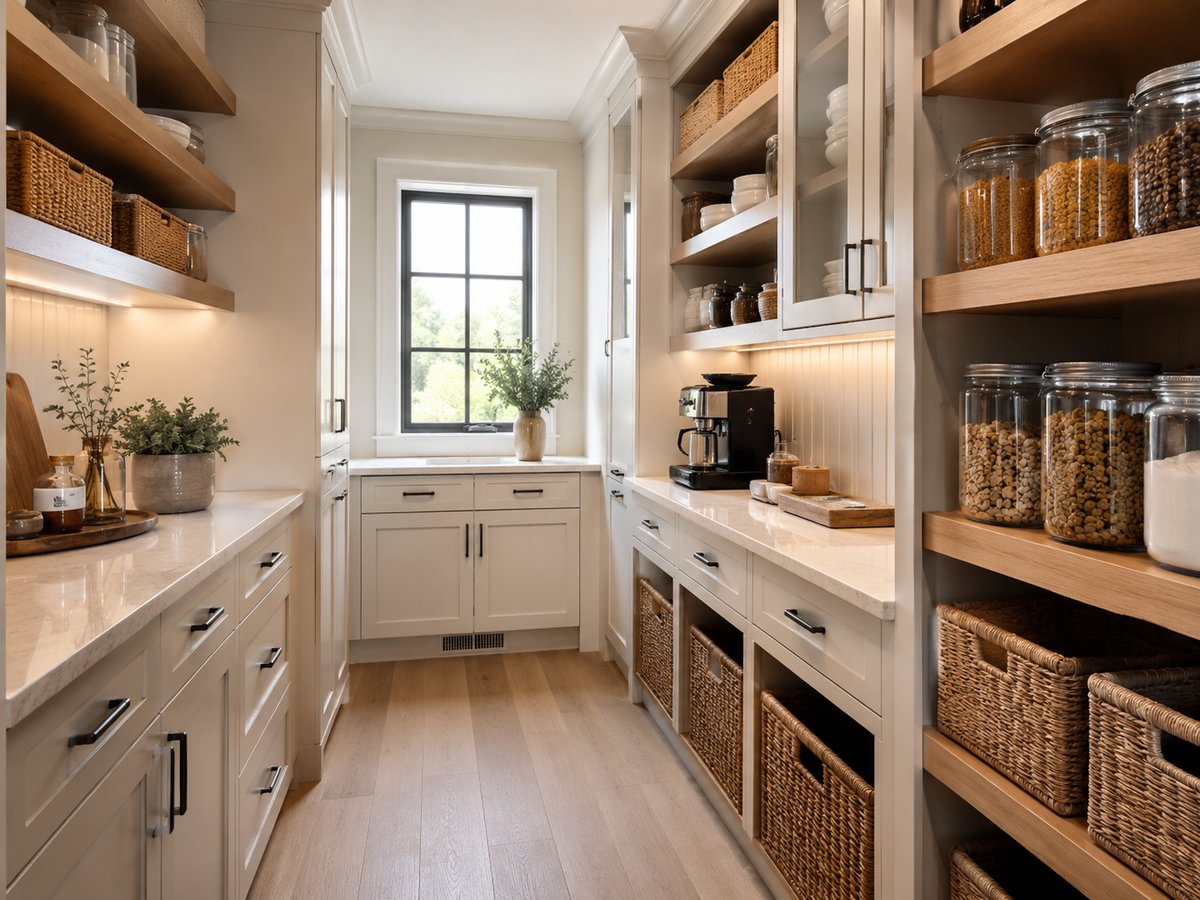
The pantry is a perfect example. In Designing a Pantry That Serves the Home , we explore how a pantry can support much more than food storage by absorbing appliances, bulk items, overflow, and some of the visual noise that would otherwise remain in the kitchen.
True luxury isn’t always a dramatic feature. Sometimes it is simply having a logical place for everyday life before the chaos starts.
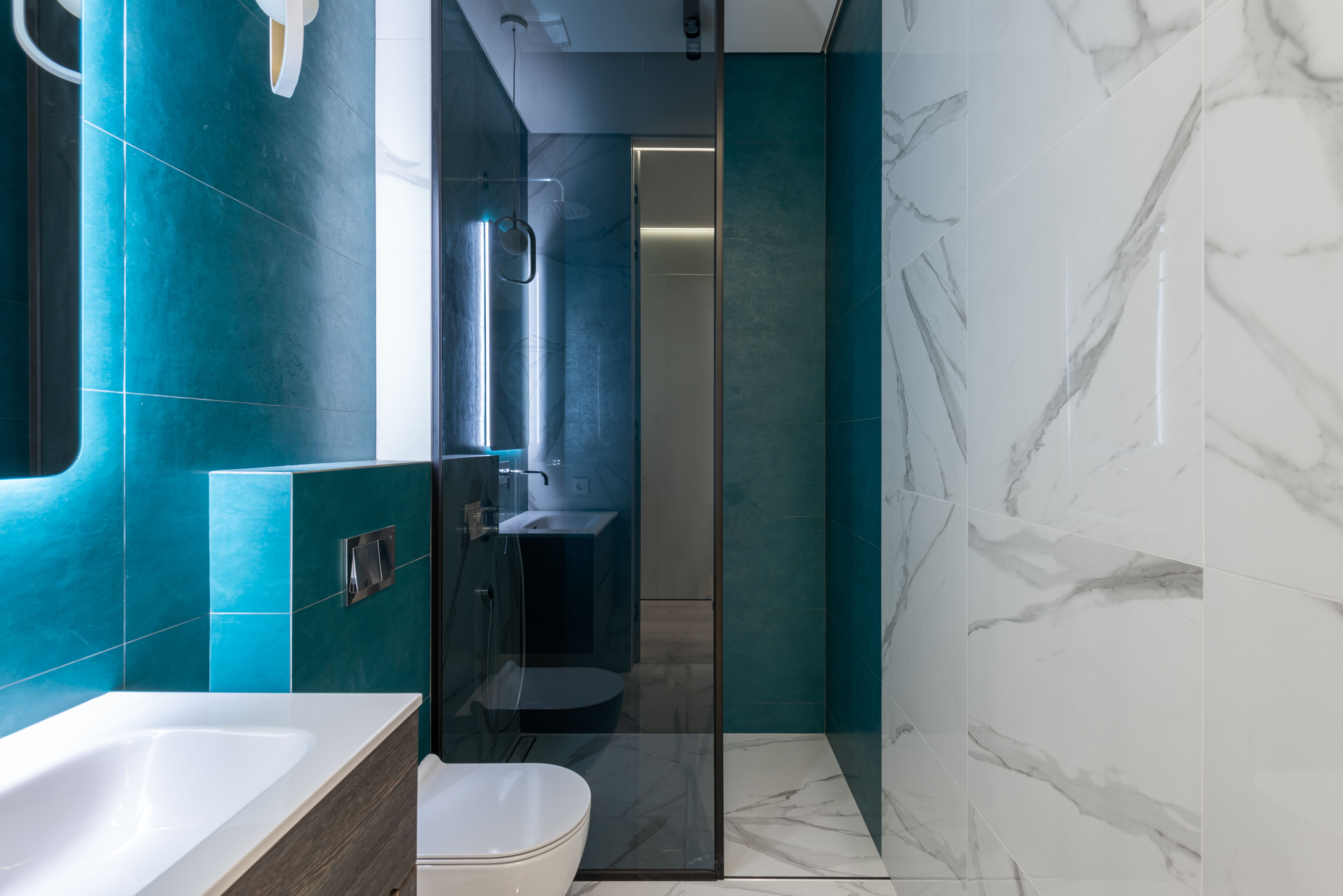
The best homes aren’t defined only by individual rooms — they’re also defined by how people move between them.
Good layouts consider:
This is also where many plans can lose efficiency. Additional hallways and circulation space add square footage, but they do not automatically make a home function better.
The National Association of Home Builders floor-plan judging materials consider factors such as circulation, efficient use of space, storage, room relationships, furniture placement, and how well the plan supports a family’s needs.
Those are many of the same questions we find ourselves asking: not simply whether a floor plan is impressive, but whether everyday life can move through it naturally.
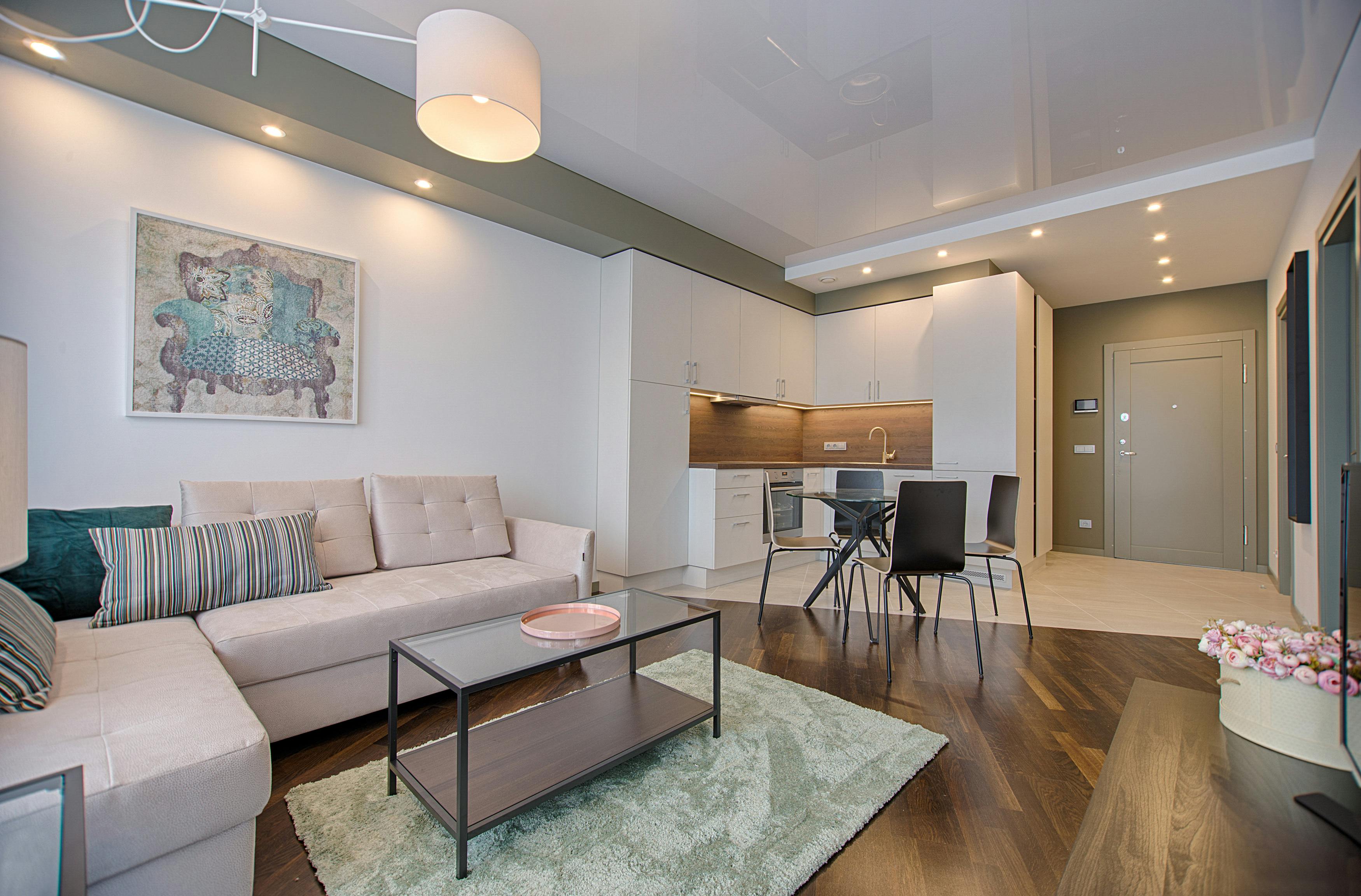
Bedrooms are another place where designing around real life matters.
A floor plan can show that a bed, nightstands, and dresser technically fit, but that doesn’t necessarily mean the room will feel comfortable once someone lives there.
We’re thinking about circulation, furniture flexibility, usable wall space, charging, natural light, and enough open floor area for the room to adapt over time.
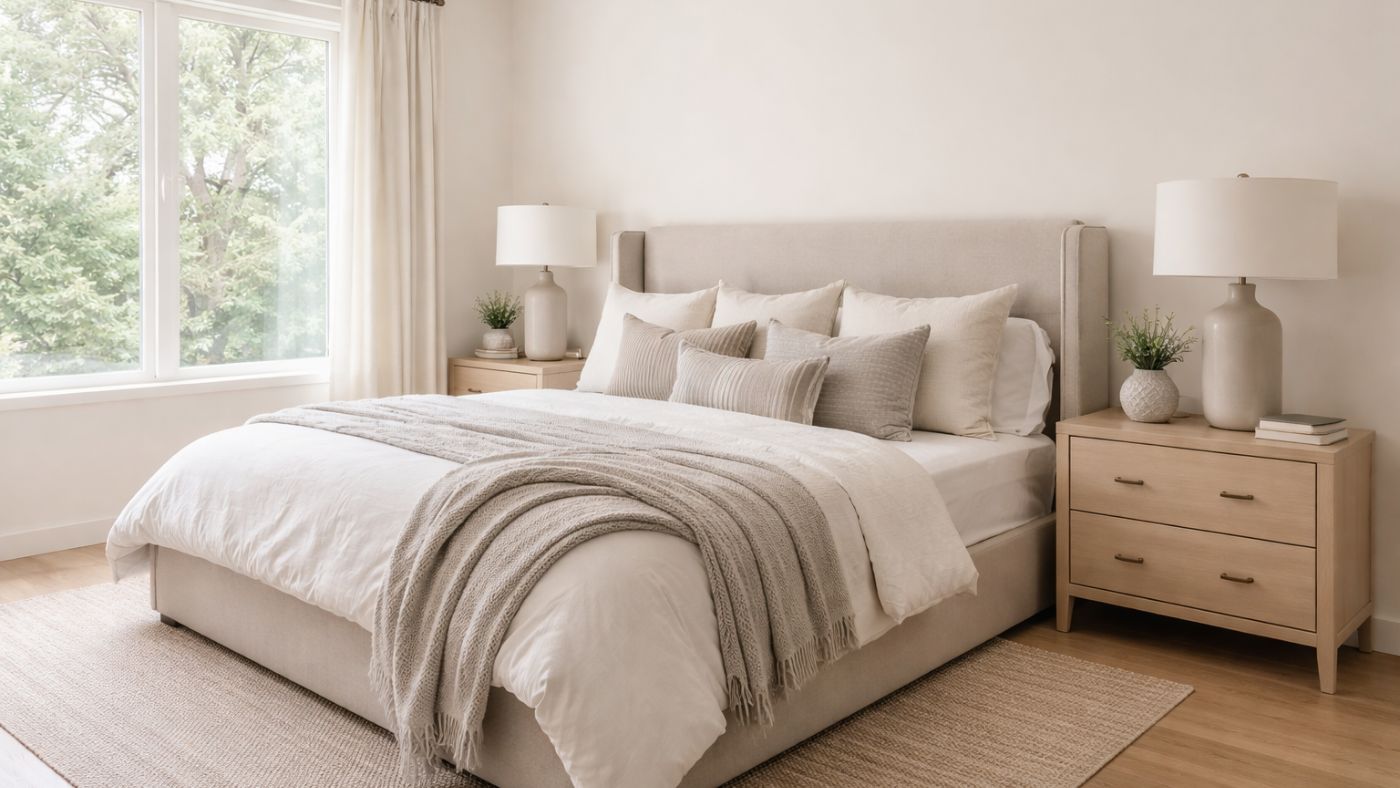
That thinking led us to explore how much open space a bedroom really needs . Sometimes the most valuable square footage in a bedroom is the part that has not been assigned to a piece of furniture.
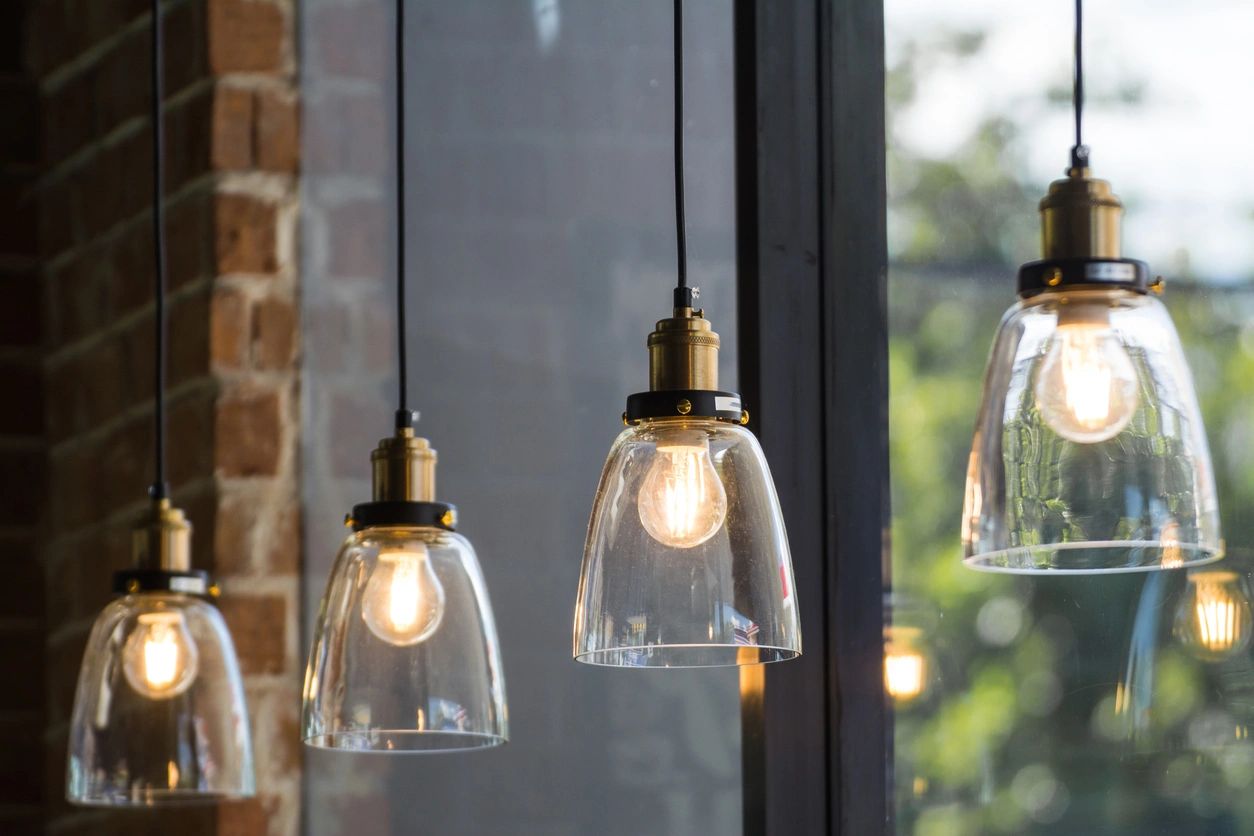
Lighting is another area where a beautiful plan can fall short if it is separated from everyday routines.
A room does not always need one bright source in the center. Reading, cooking, relaxing, working, gathering, and moving through the house at night all create different lighting needs.
That is why we are treating lighting decisions before building as part of the layout conversation rather than as a decorative decision that comes later.
The goal is not simply to add more fixtures. It is to put useful light where daily life actually requires it.
The same principle applies to electricity.
Beds, sofas, desks, lamps, charging stations, kitchen appliances, coffee areas, and technology all depend on access to power.
That is why seemingly minor decisions about outlet placement can have such a large effect once furniture enters the home.
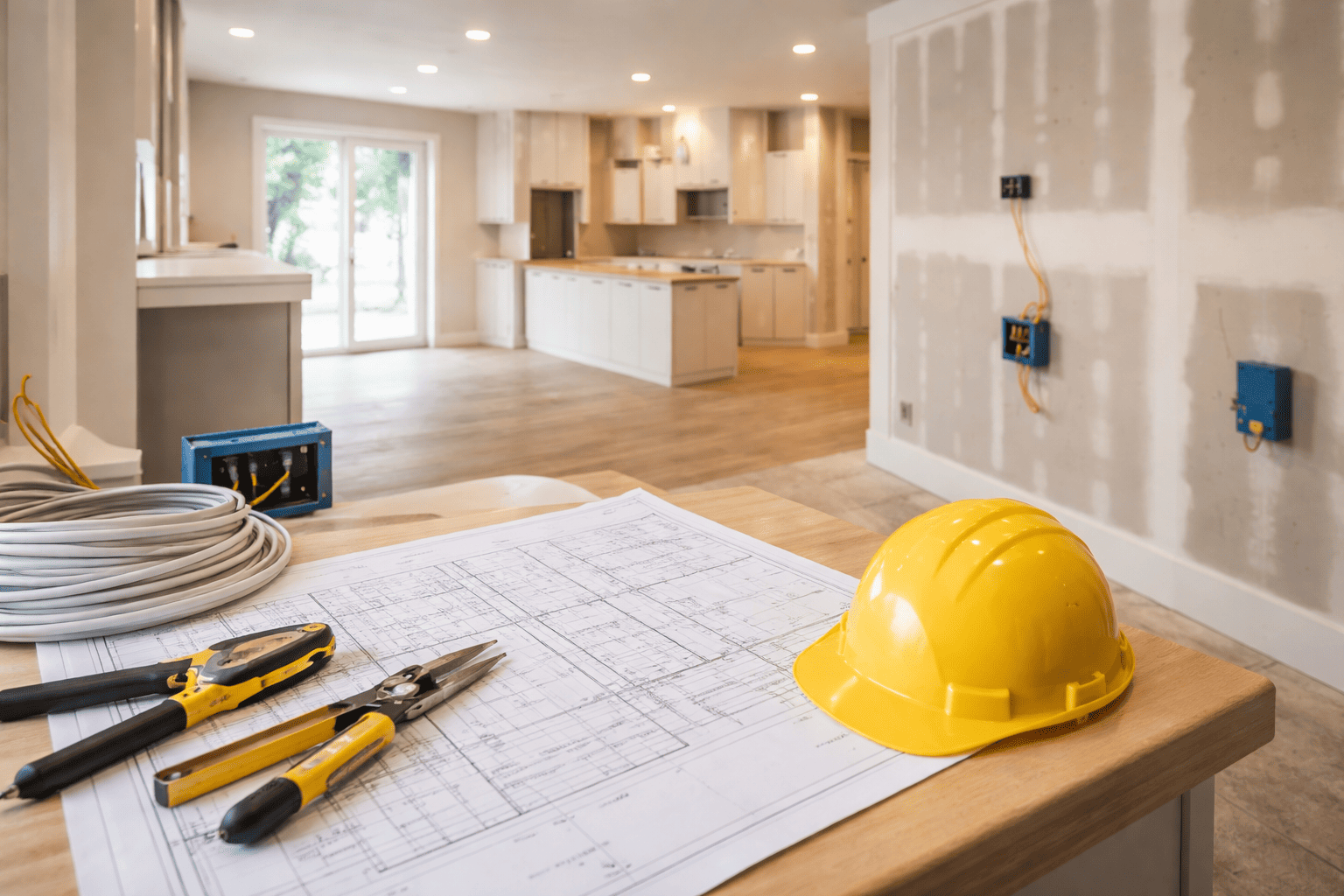
We are also thinking beyond outlets themselves. In The Electrical Decisions You Only Get One Chance to Make Before Drywall , we look at networking, future power needs, solar readiness, generator planning, and other choices that become more difficult once the walls are closed.
Since we’re still in the planning stage, many decisions are being evaluated through a simple lens: does this support real life, or does it just look good on paper?
We’re considering:
The goal isn’t perfection. It’s creating a home that works quietly in the background, allowing everyday life to feel easier.
That long view is particularly important when thinking about different generations sharing a property or home. Our Connected Living by Design article explores how privacy, independence, circulation, and shared spaces can be considered together instead of forcing everyone into the same pattern of living.
The homes that remain timeless rarely shout for attention. They simply work — day after day, year after year.
When a space feels calm, supportive, and easy to live in, that feeling usually comes from dozens of quiet design decisions made long before the first wall goes up.
And those decisions — the ones that prioritize function, flow, flexibility, and real life — are where true luxury begins.
Quiet luxury isn’t a look — it’s a life that runs smoothly.
It comes from thoughtful layouts, practical spaces, natural movement, useful lighting, accessible power, and decisions that support the way a home is actually lived in every day.